


AI-generated

Ethiopian Flavor, Lighter Week

Seven days of vibrant injera, warming wats, and spice-rich Ethiopian comfort food portioned for a weight-loss goal.

Recipes, pictures, and nutrition are AI-generated estimates.

Male 35 years 5'10" 2075 cal/day Lose weight Up to an hour Cooking for 1 person Art style: Mosaic

How this plan supports you

This Ethiopian-inspired seven-day plan offers a varied balance of lean proteins, legumes, vegetables, whole grains, and cultured dairy to support your 2,075-calorie weight-loss goal. Lentils, chickpeas, beans, vegetables, and whole-grain injera provide fiber that may help with fullness and steady energy, while chicken, fish, eggs, turkey, lean beef, and yogurt help support protein intake and muscle maintenance. The frequent use of berbere, garlic, ginger, herbs, and vegetables adds flavor and nutrient variety without relying solely on heavy sauces or added sugar. Portions of richer items such as lamb, beef, spiced butter, nuts, and honey can fit into the overall plan while supporting satisfying, culturally authentic meals.

Food is the foundation. A GLP-1 can help when hunger fights you.

This meal plan is built to support your goal. Many people also use clinician-guided GLP-1 medications — such as semaglutide — through Okapy Care.

  • Quieter “food noise” and easier fullness between meals
  • Steadier appetite, which makes a calorie target more realistic
  • Works with a meal plan — not instead of one
See if GLP-1 care is right for you

Learn more www.okapycare.com

A licensed clinician decides eligibility.

Day 1

Breakfast
Injera Fitfit with Scrambled Eggs
Lunch
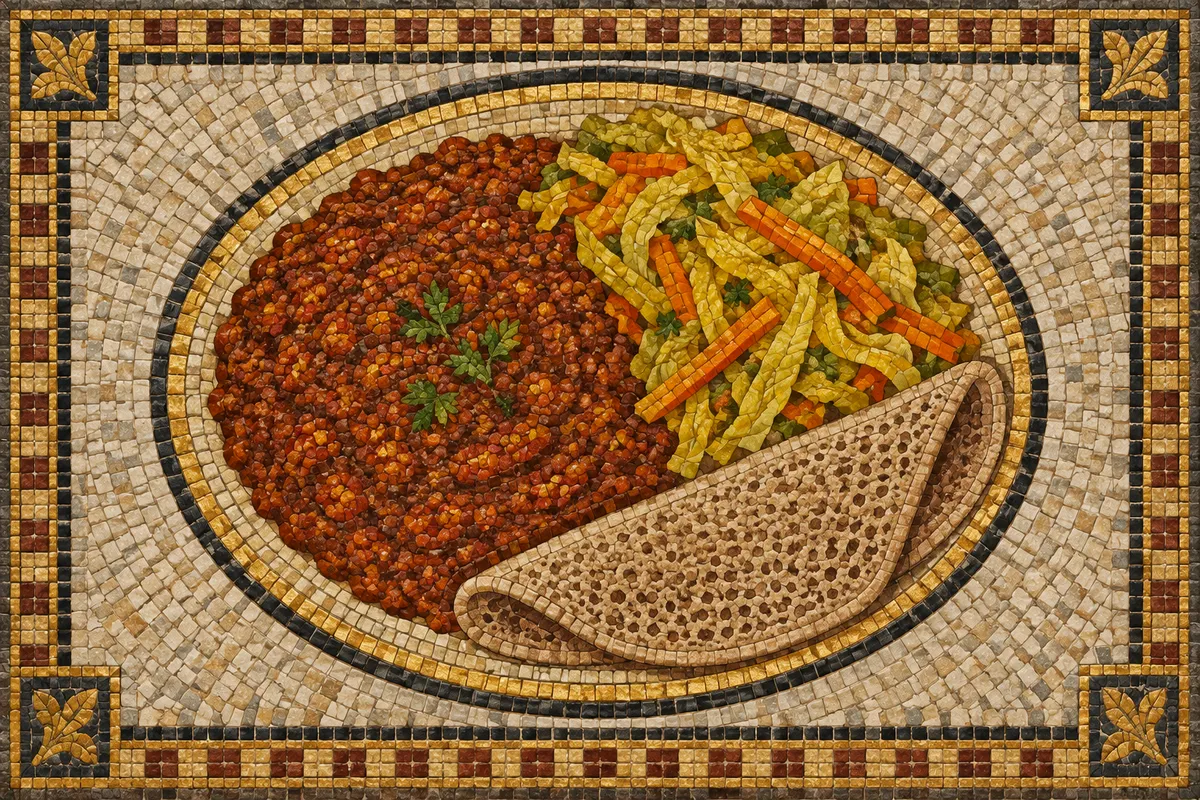
Misir Wat with Cabbage and Injera
Dinner
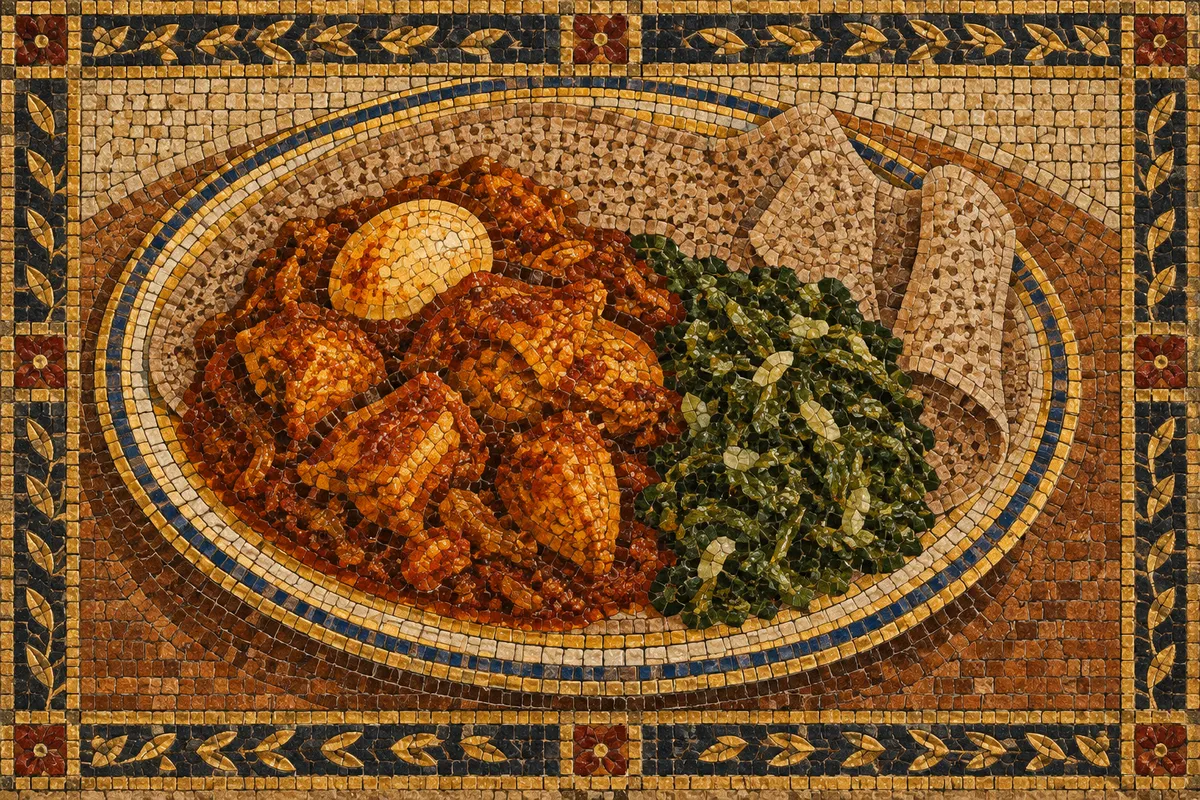
Chicken Doro Wat with Gomen
Snack
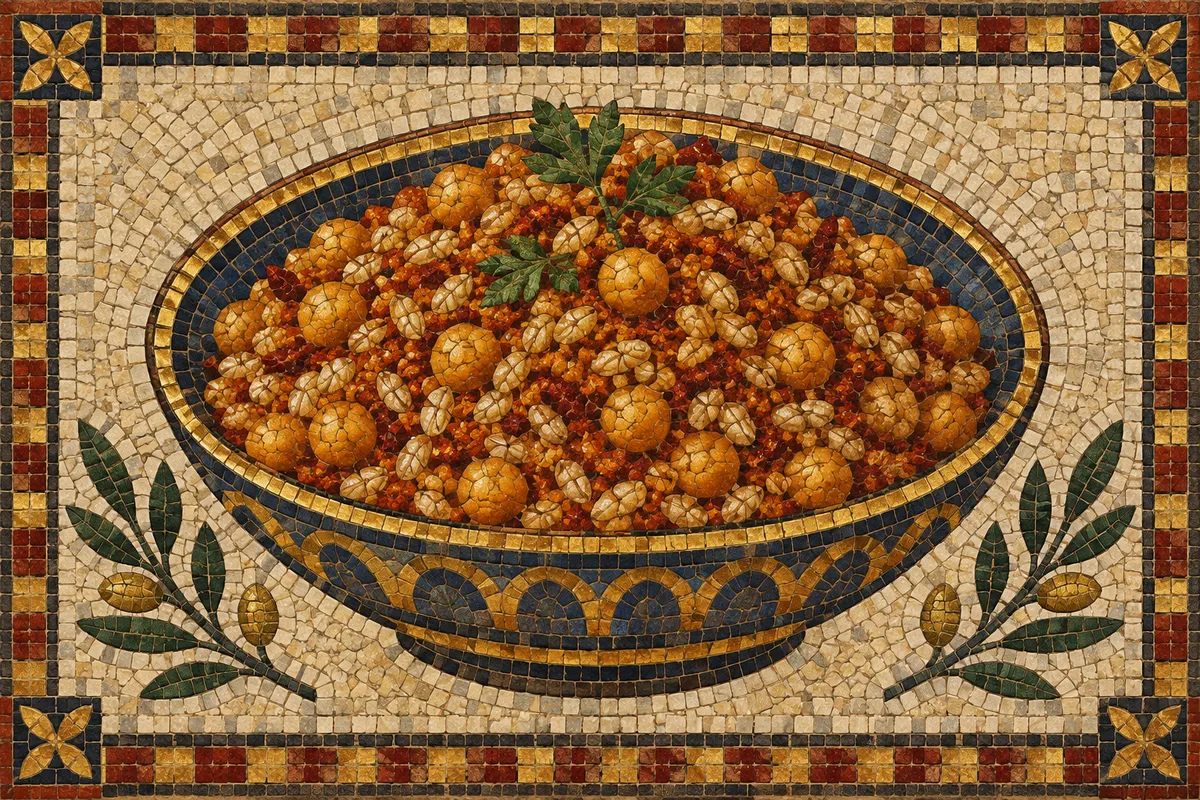
Ethiopian Spiced Kolo

Nutrition totals

2072 calories
Protein 107g (21%)
Fat 64g (28%)
Carbs 267g (51%)

Day 2

Breakfast
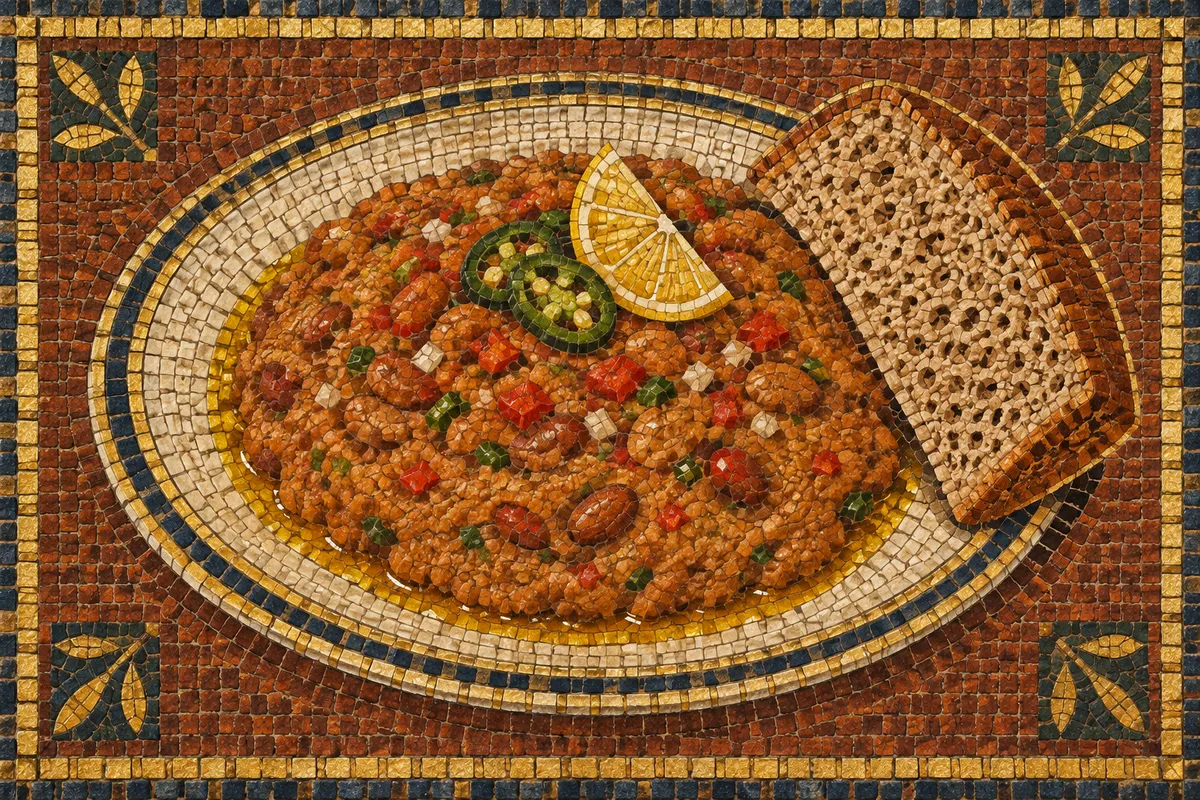
Ethiopian Ful Medames with Dabo
Lunch
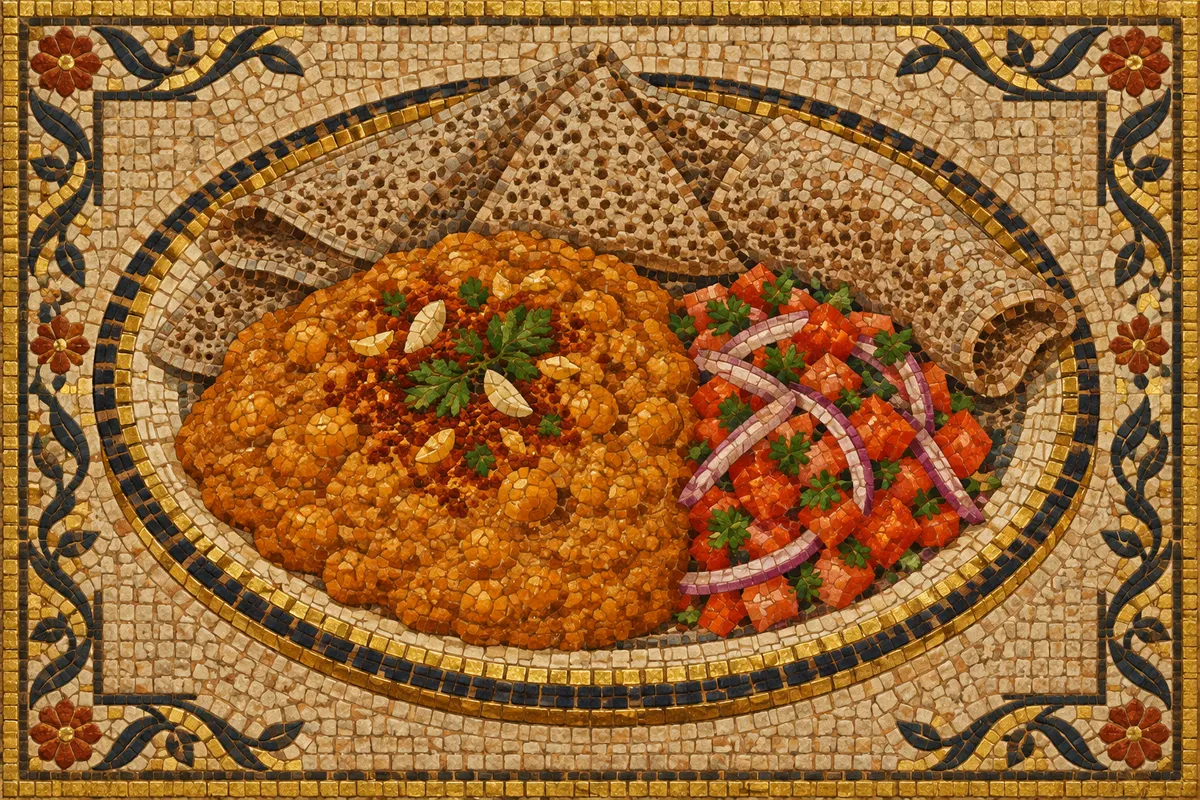
Shiro Wat with Tomato Salad
Dinner
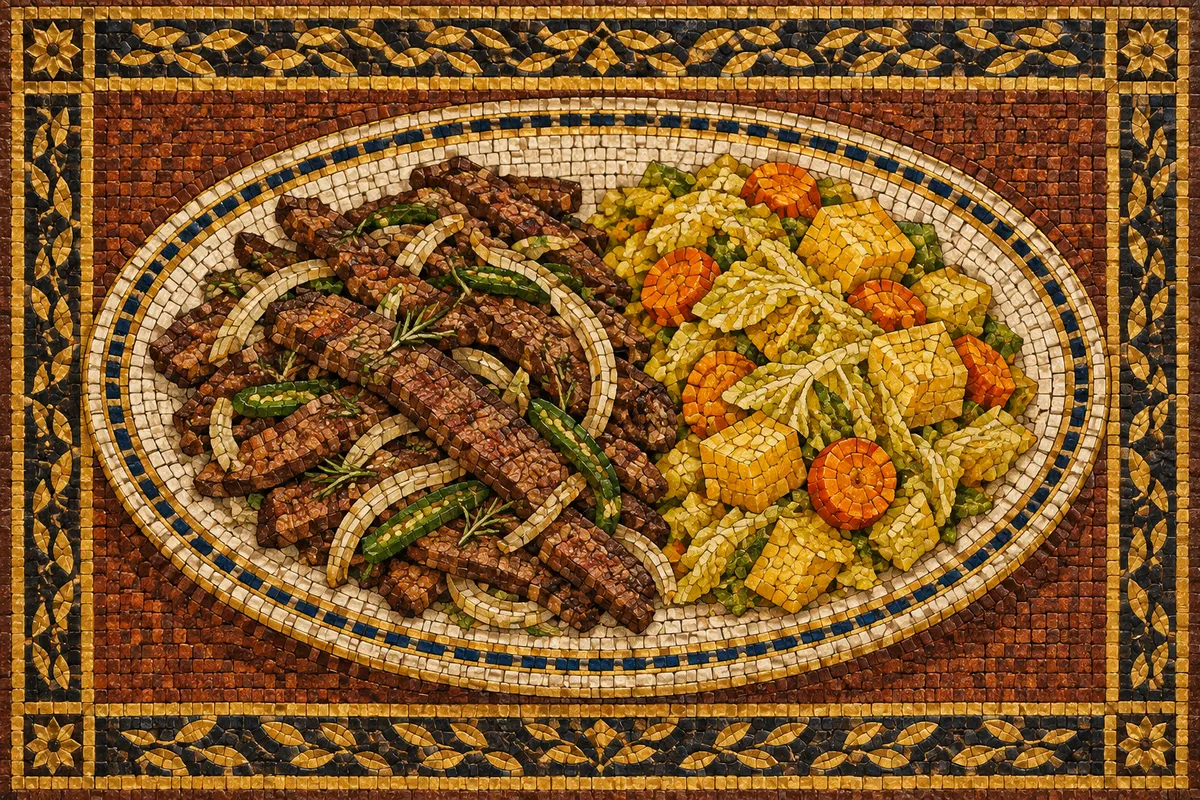
Lean Beef Tibs with Atakilt Wat
Snack
Berbere Popcorn with Peanuts

Nutrition totals

2107 calories
Protein 102g (19%)
Fat 75g (32%)
Carbs 256g (49%)

Day 3

Breakfast
Chechebsa with Honeyed Yogurt
Lunch
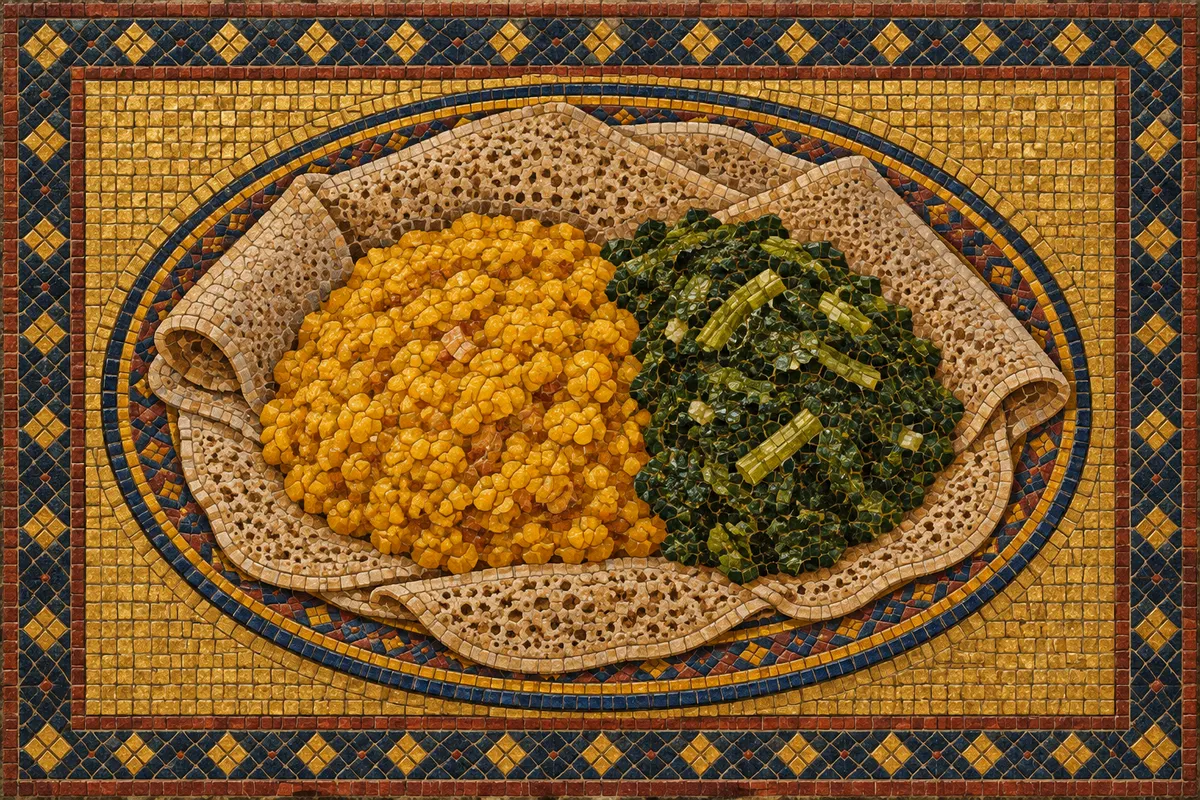
Kik Alicha with Gomen and Injera
Dinner
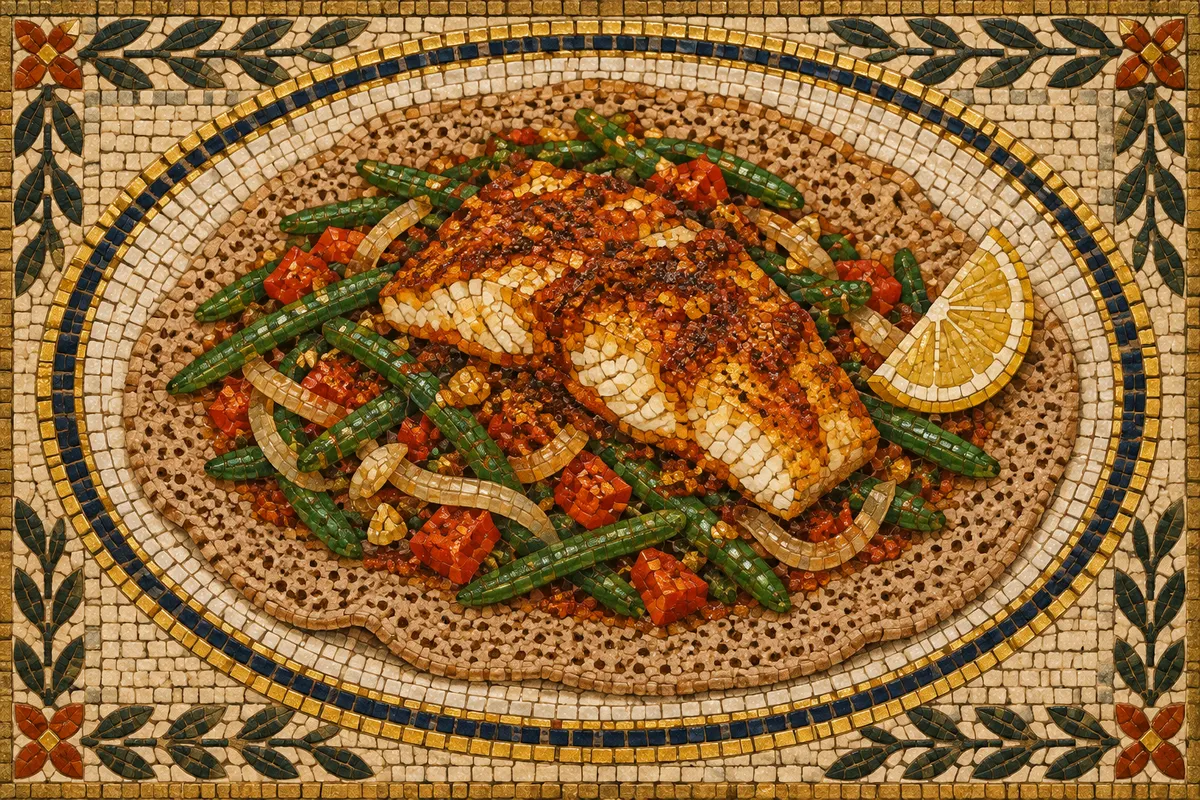
Awaze Fish Tibs with Green Beans
Snack
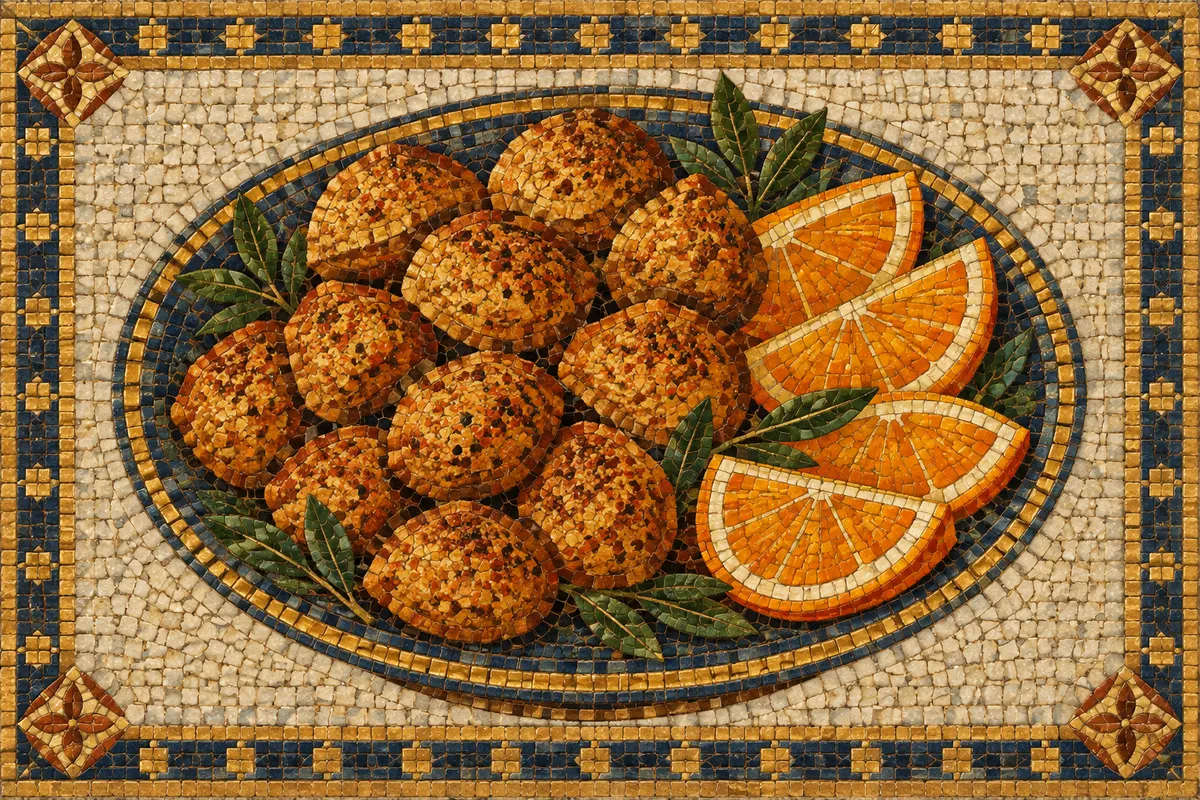
Dabo Kolo with Orange Slices

Nutrition totals

2070 calories
Protein 110g (21%)
Fat 58g (25%)
Carbs 277g (54%)

Day 4

Breakfast
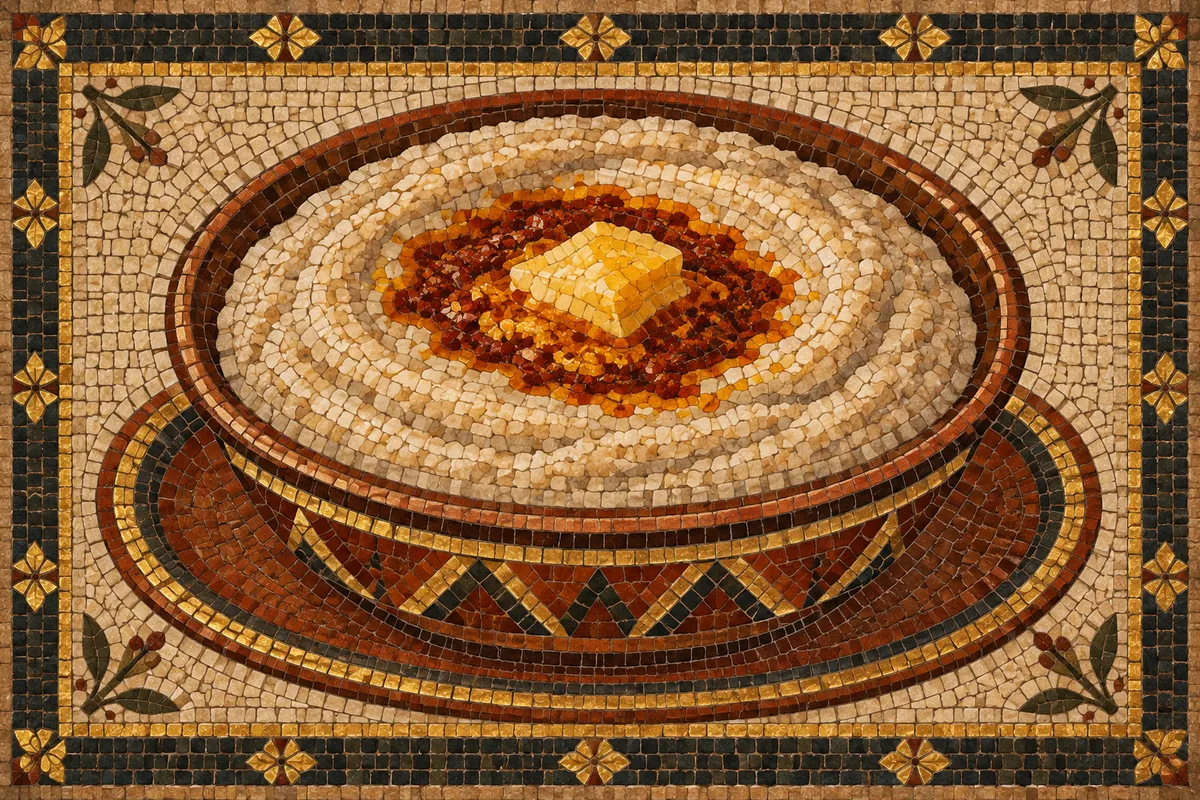
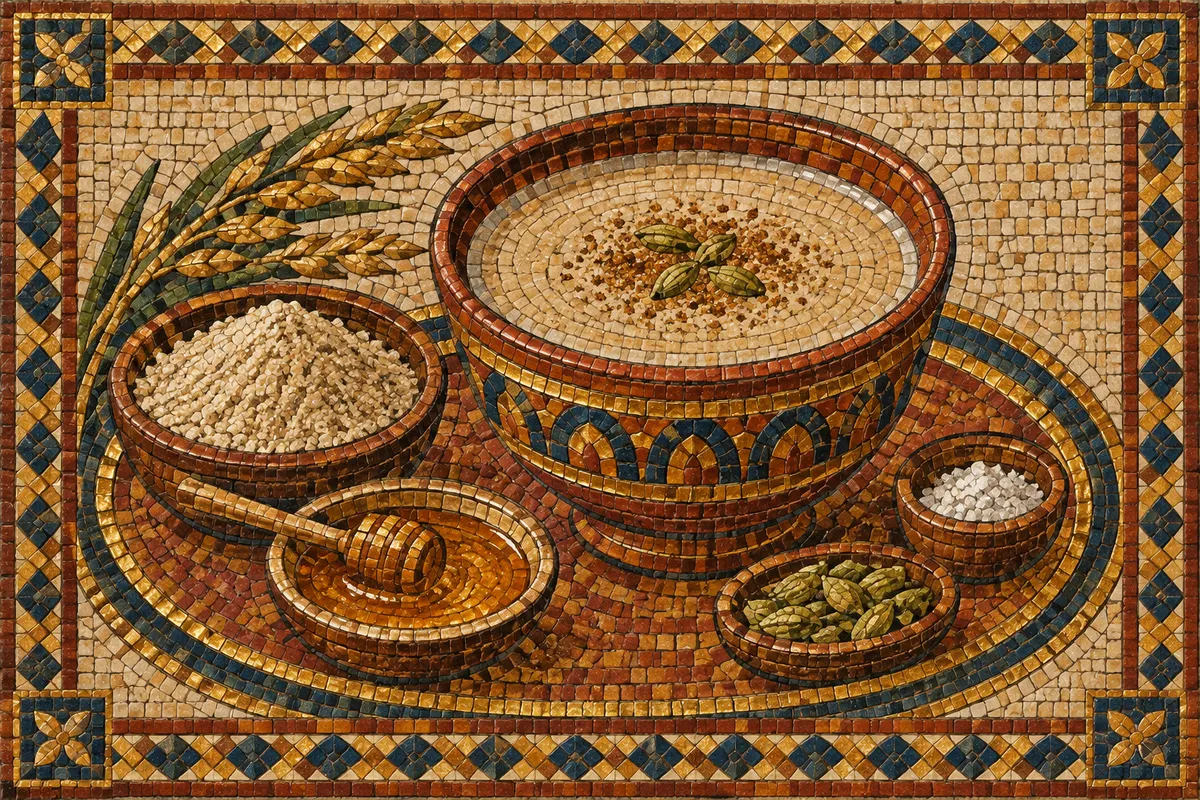
Genfo Barley Porridge with Spiced Butter
Lunch
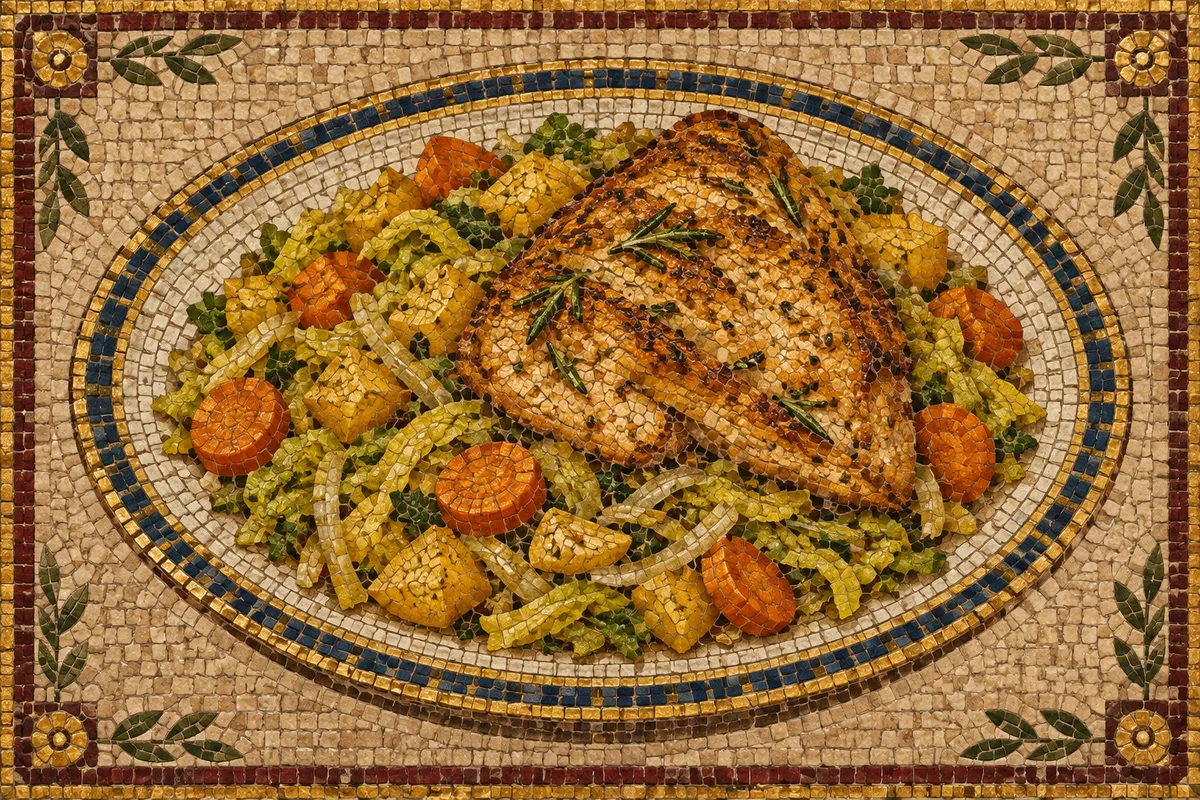
Tikil Gomen with Roasted Chicken
Dinner
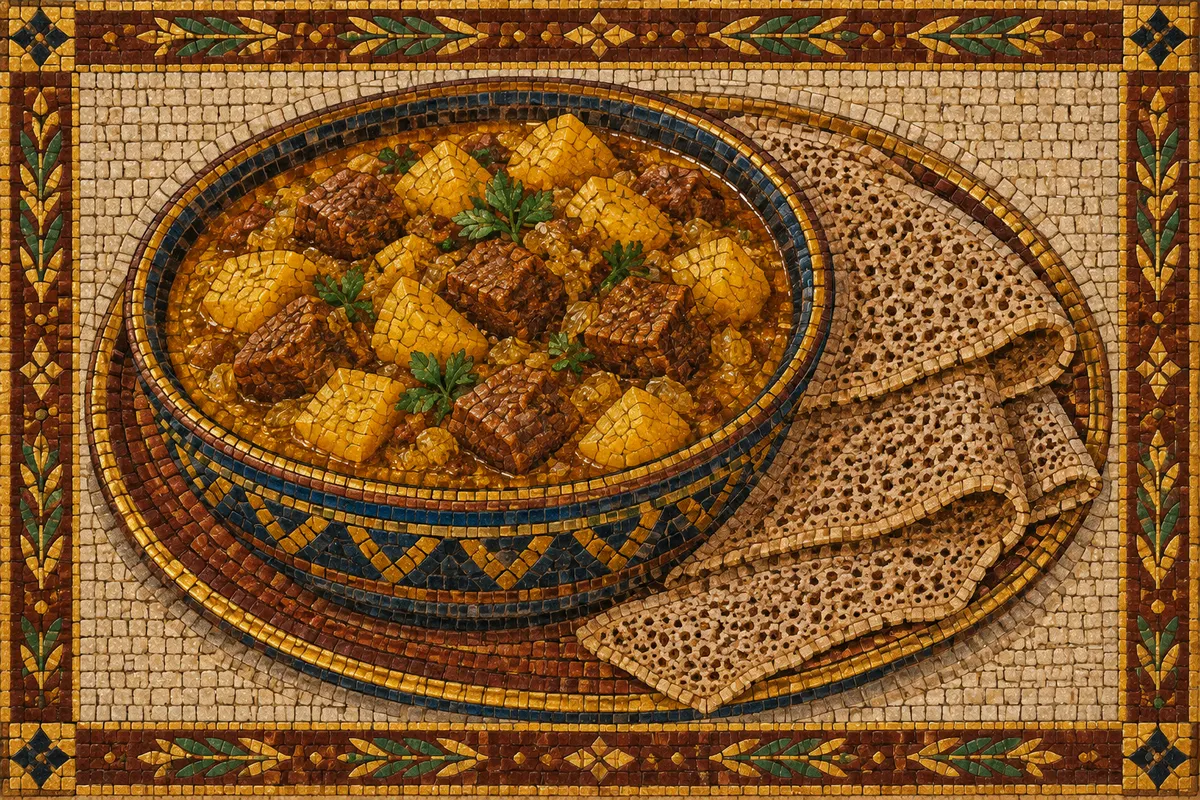
Yebeg Alicha Lamb Stew
Snack
Besso Barley Drink

Nutrition totals

2078 calories
Protein 116g (22%)
Fat 54g (23%)
Carbs 282g (55%)

Day 5

Breakfast
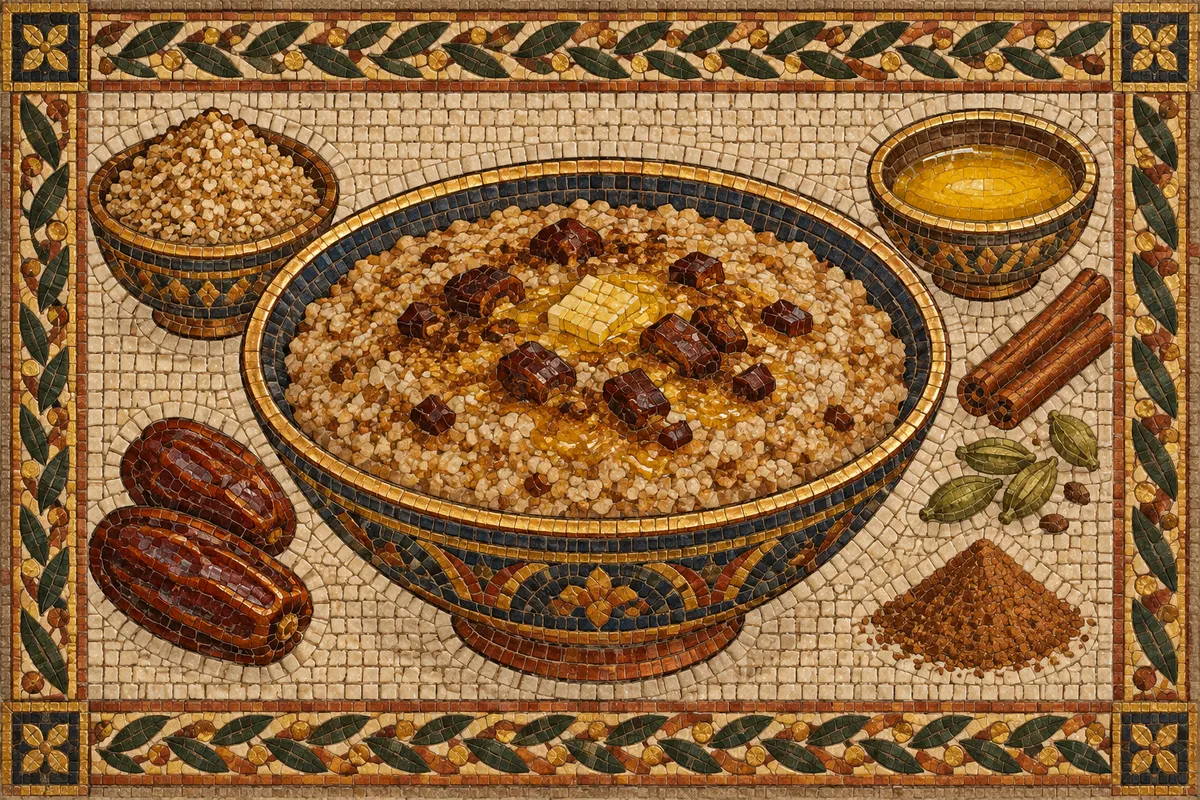
Kinche Cracked Wheat Porridge with Dates
Lunch
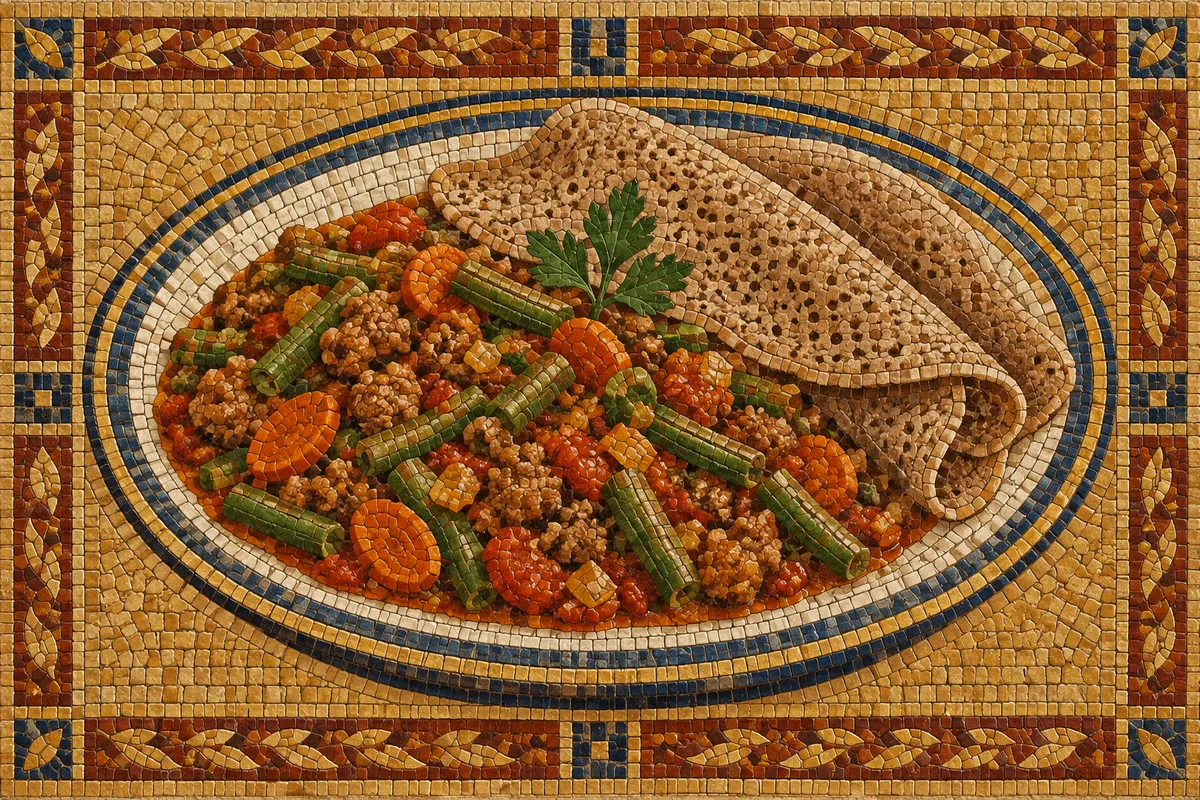
Fasolia with Berbere Turkey
Dinner
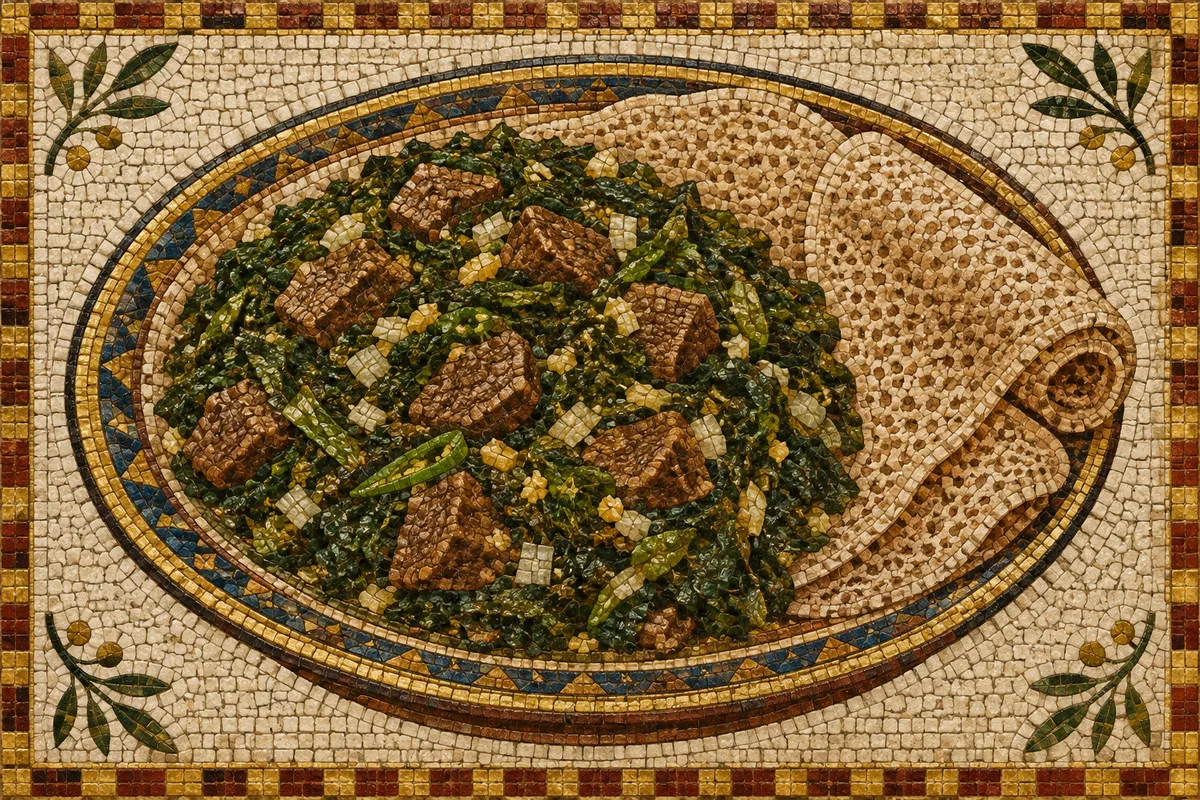
Gomen Besiga with Lean Beef
Snack
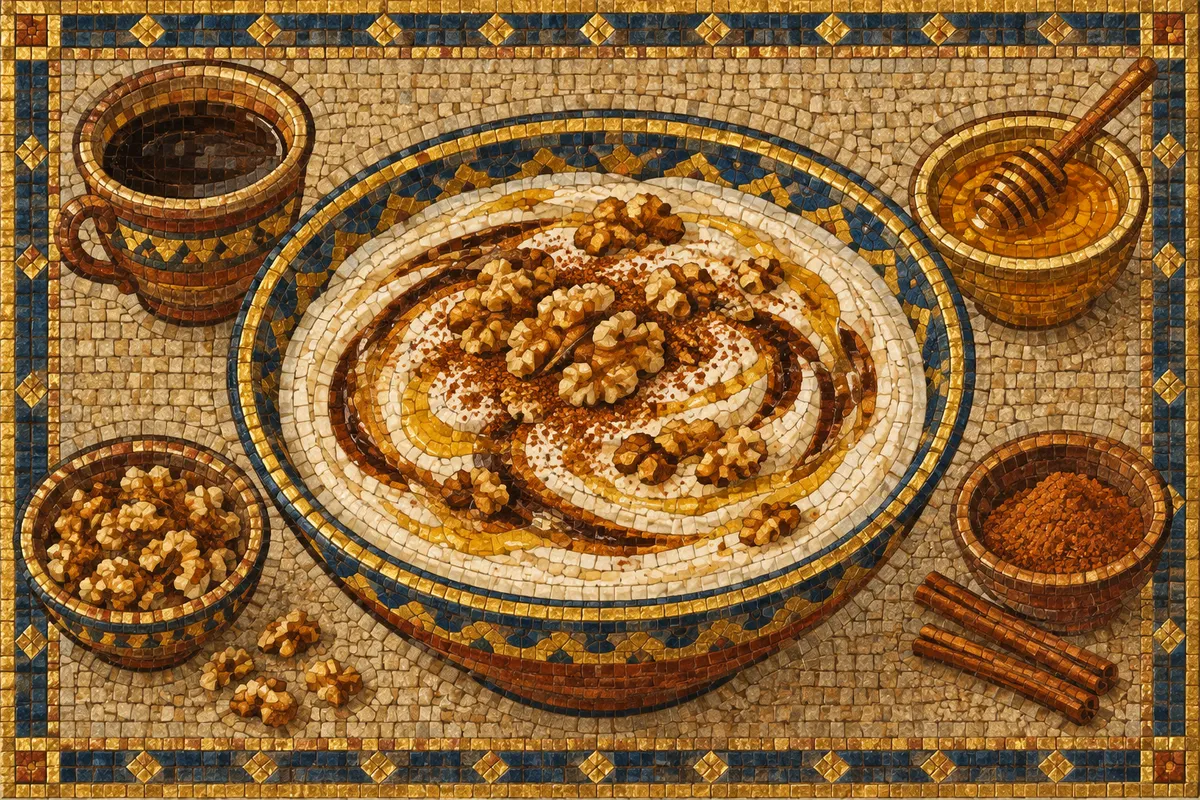
Ethiopian Coffee Yogurt with Walnuts

Nutrition totals

2088 calories
Protein 129g (25%)
Fat 48g (21%)
Carbs 285g (54%)

Day 6

Breakfast
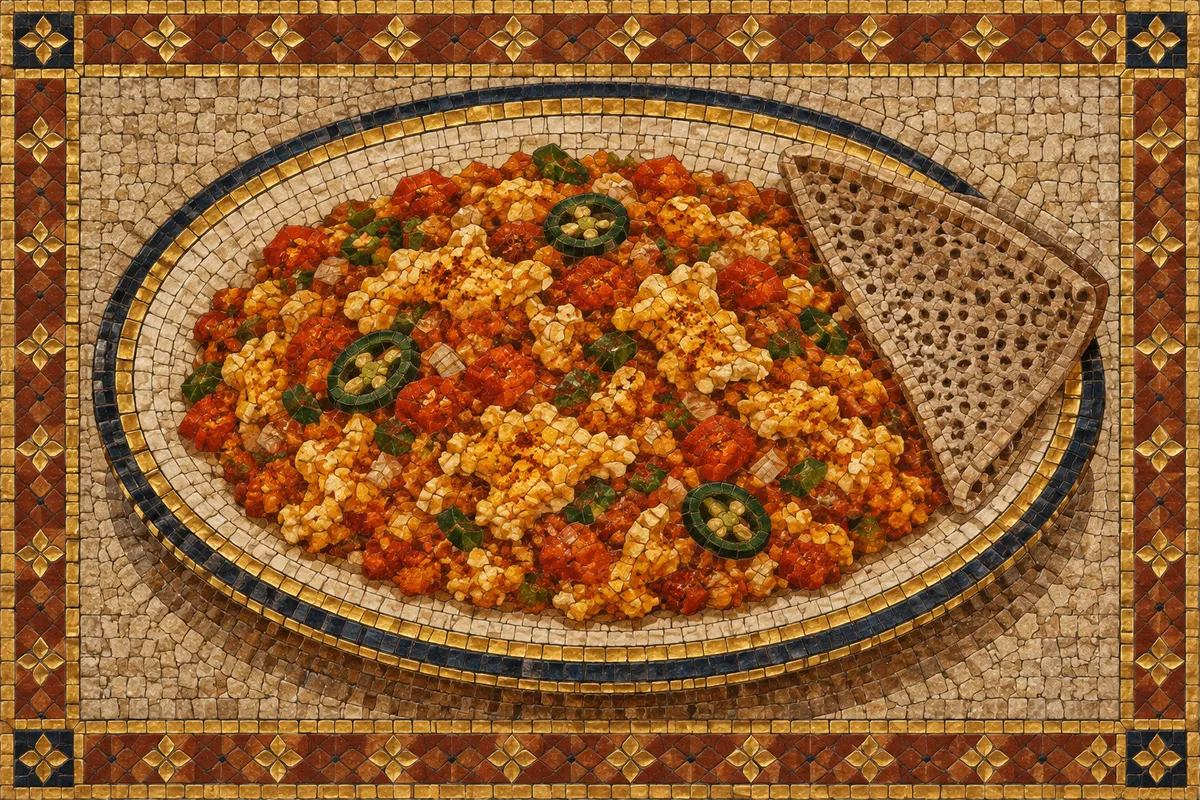
Ethiopian Egg and Tomato Dulet
Lunch
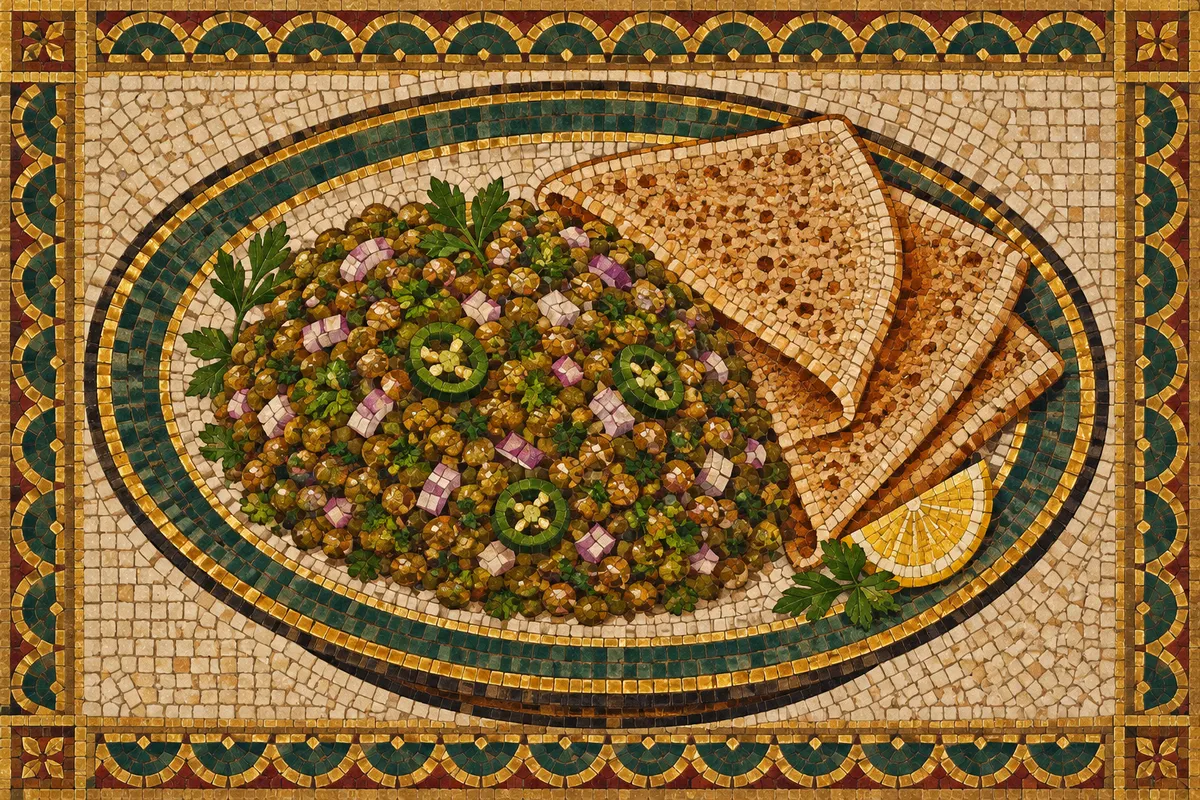
Azifa Green Lentil Salad with Dabo
Dinner
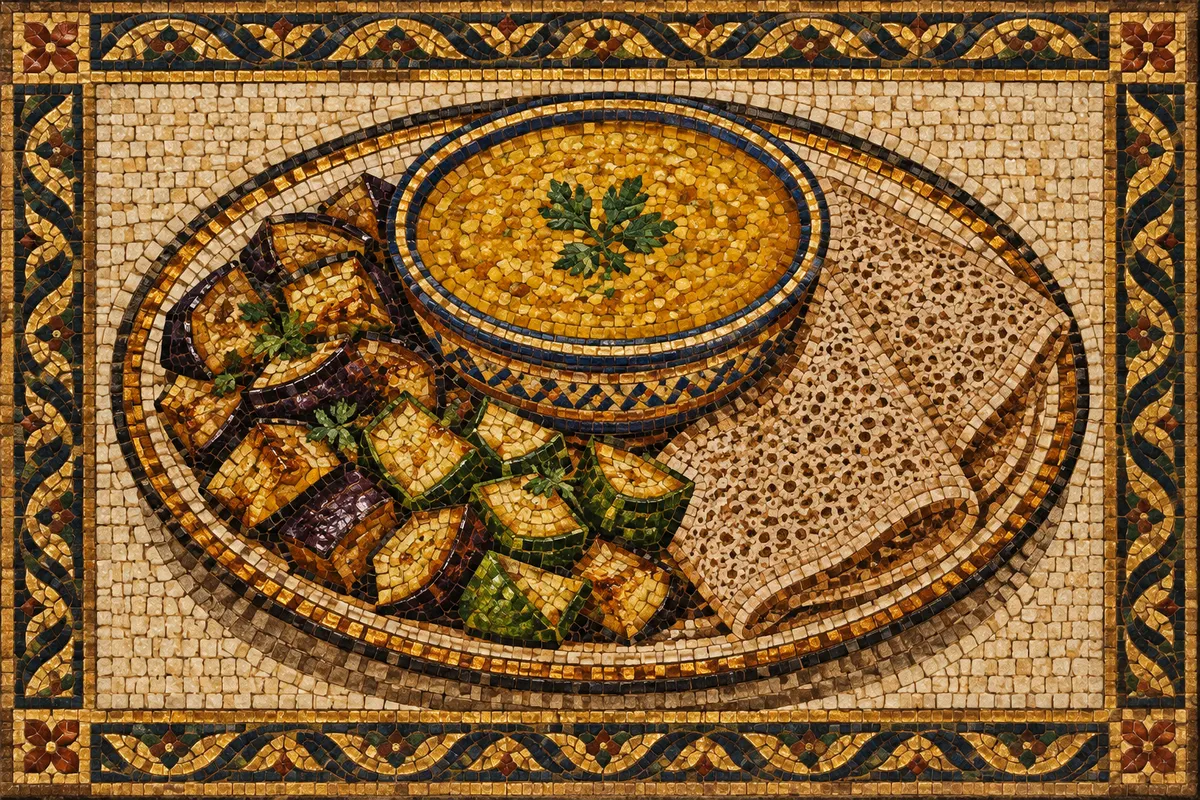
Yekik Alicha with Roasted Vegetables
Snack
Roasted Chickpeas with Mitmita

Nutrition totals

2069 calories
Protein 95g (18%)
Fat 69g (30%)
Carbs 267g (52%)

Day 7

Breakfast
Ethiopian Spiced Oat Porridge with Banana
Lunch
Buticha Chickpea Salad with Injera
Dinner
Vegetable Beyaynetu Platter
Snack
Fresh Dabo with Spiced Tea

Nutrition totals

2066 calories
Protein 71g (14%)
Fat 62g (27%)
Carbs 306g (59%)

Day 1

Nutrition totals

2072 calories
Protein 107g (21%)
Fat 64g (28%)
Carbs 267g (51%)
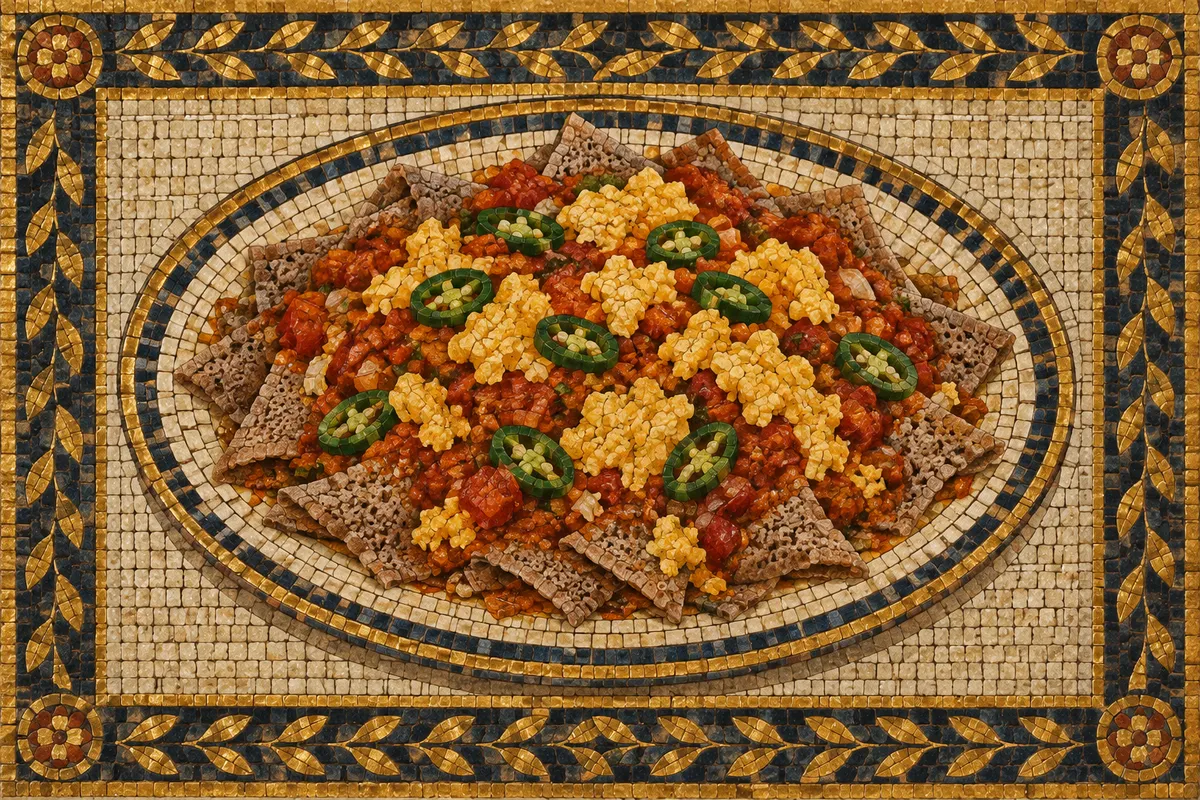
Injera Fitfit with Scrambled Eggs
Day 1 · Breakfast

Injera Fitfit with Scrambled Eggs

Torn teff injera is coated in a gently spiced berbere-tomato sauce and finished with fluffy scrambled eggs and fresh jalapeño.


Ingredients

Your portion: 1 bowl (about 14 ounces)
Prepare: makes 1 serving(s)

Directions

  1. Tear the injera into bite-size pieces and set them aside in a medium bowl.
  2. Heat 1 teaspoon of the olive oil in a 10-inch nonstick skillet over medium heat until it shimmers, about 1 minute.
  3. Add the onion and garlic and cook over medium heat, stirring every 30 seconds, until the onion softens and looks translucent, 3 to 4 minutes.
  4. Add the tomato, berbere, and salt, then cook over medium heat, stirring often, until the tomato breaks down into a thick, spoonable sauce, 5 to 6 minutes.
  5. Add the torn injera and toss continuously with tongs for 1 to 2 minutes, until every piece is coated and warmed but still slightly springy.
  6. Transfer the fitfit to a serving bowl and let it rest for 2 minutes so the injera can absorb the sauce without becoming mushy.
  7. Crack the eggs into a small bowl and whisk with a fork until the yolks and whites are fully blended and no streaks remain.
  8. Heat the remaining 1 teaspoon olive oil in the same skillet over medium-low heat, pour in the eggs, and stir slowly with a spatula for 2 to 3 minutes until softly set with small glossy curds; remove from the heat while a little moisture remains.
  9. Spoon the scrambled eggs over the fitfit, scatter the sliced jalapeño on top, and serve immediately.

Misir Wat with Cabbage and Injera
Day 1 · Lunch

Misir Wat with Cabbage and Injera

A deeply spiced red lentil stew is paired with turmeric-scented cabbage and carrots, then served with a measured portion of tangy injera.


Ingredients

Your portion: 1 bowl with 2 1/2 ounces injera
Prepare: makes 1 serving(s)

Directions

  1. Rinse the red lentils in a fine-mesh strainer under cool running water until the water runs mostly clear, then drain well.
  2. Heat 2 teaspoons of the olive oil in a medium saucepan over medium heat until shimmering, about 1 minute; add the onion and cook for 5 minutes, stirring occasionally, until soft and lightly golden.
  3. Add the garlic and berbere to the onion and cook for 1 minute over medium heat, stirring constantly until fragrant but not browned.
  4. Add the drained lentils and water, stir well, and bring the mixture to a gentle boil over medium-high heat, about 4 minutes.
  5. Reduce the heat to low, partially cover the saucepan, and simmer the lentils for 18 to 22 minutes, stirring every 5 minutes, until thick and soft; add 1 to 2 tablespoons of water if the stew becomes dry before the lentils are tender.
  6. Heat the remaining 1 teaspoon olive oil in a 10-inch skillet over medium heat; add the cabbage, carrot, and turmeric, then cook for 6 to 8 minutes, stirring every 1 to 2 minutes, until the vegetables are tender-crisp and brightly colored.
  7. Warm the injera in a dry skillet over medium-low heat for about 30 seconds per side, until flexible and warmed through; do not crisp it.
  8. Spoon the misir wat into a bowl, place the turmeric cabbage and carrots alongside it, and serve with the warmed injera.
  9. Let the stew stand for 2 minutes before eating so it thickens slightly, then use pieces of injera to scoop up the stew and vegetables.
Chicken Doro Wat with Gomen
Day 1 · Dinner

Chicken Doro Wat with Gomen

Tender berbere-simmered chicken and silky garlic collard greens are served with warm injera for a deeply savory Ethiopian dinner.


Ingredients

Your portion: 1 plated meal (about 20 ounces)
Prepare: makes 1 serving(s)

Directions

  1. Trim any visible fat from the chicken and cut it into 1-inch pieces; divide the minced garlic into two equal portions, and keep the onion and collards ready beside the stove.
  2. Heat a 10-inch skillet over medium-low heat, add the diced onion, and cook uncovered for 8 to 10 minutes, stirring every 2 minutes, until soft, lightly golden, and nearly dry.
  3. Add the olive oil, berbere, half of the minced garlic, and salt to the onions; stir over medium heat for 1 minute until fragrant and brick-red.
  4. Add the chicken and 1/2 cup water, stir to coat the pieces, and bring the sauce to a gentle simmer over medium heat; reduce the heat to low, cover, and simmer for 12 to 15 minutes, stirring once halfway through, until the chicken reaches 165°F in the thickest piece and the sauce lightly coats it.
  5. Transfer the chicken and sauce to a covered bowl, leaving any sauce in the skillet, and keep it warm while you cook the greens.
  6. Add the collard greens and the remaining garlic to the skillet, cover, and cook over medium heat for 5 to 7 minutes, stirring twice, until the greens are bright, tender, and wilted; uncover for the final 1 minute so excess liquid evaporates.
  7. Warm the injera in the same skillet over low heat for about 30 seconds per side, just until flexible and warm, then remove the skillet from the heat.
  8. Spread the injera on a plate, spoon the chicken doro wat and gomen over it, and squeeze the lemon over the chicken; serve immediately while hot.
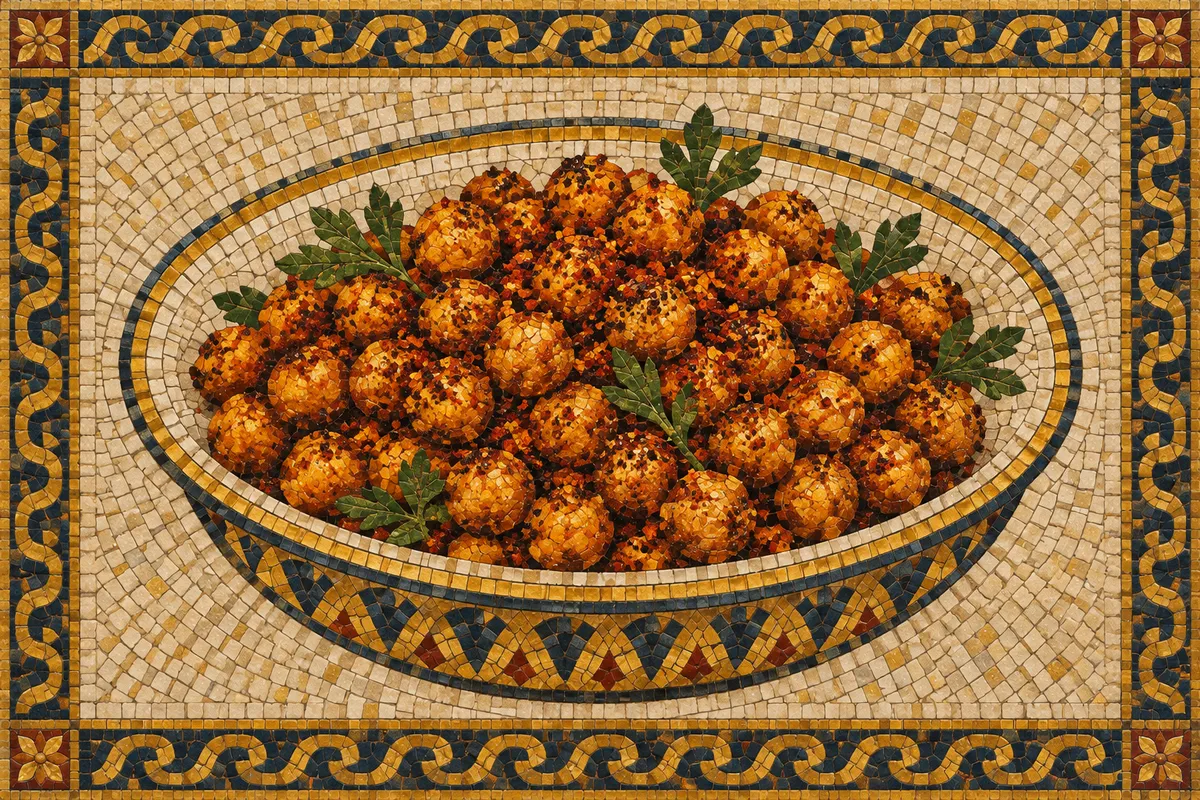
Ethiopian Spiced Kolo
Day 1 · Snack

Ethiopian Spiced Kolo

A crunchy one-bowl snack of roasted barley and chickpeas tossed with fragrant berbere and a touch of salt.


Ingredients

Your portion: 1 small bowl (about 3/4 cup)
Prepare: makes 1 serving(s)

Directions

  1. Preheat the oven to 400°F and line a small rimmed baking sheet with parchment paper.
  2. Drain the chickpeas, rinse them under cool water, and pat them very dry with a clean towel so they roast crisply.
  3. Place the barley and chickpeas in a small bowl, add the olive oil, and stir until everything is lightly coated.
  4. Spread the barley and chickpeas in one even layer on the prepared baking sheet.
  5. Roast at 400°F for 20 to 25 minutes, stirring once after 12 minutes, until the barley is toasted and the chickpeas are firm and crunchy.
  6. Transfer the hot mixture to a bowl, sprinkle with the berbere and salt, and toss thoroughly while warm.
  7. Let the kolo rest uncovered for 5 minutes before eating so the coating sets and the crunch develops.

Day 2

Nutrition totals

2107 calories
Protein 102g (19%)
Fat 75g (32%)
Carbs 256g (49%)
Ethiopian Ful Medames with Dabo
Day 2 · Breakfast

Ethiopian Ful Medames with Dabo

Warm, creamy fava beans mashed with sautéed tomato, onion, jalapeño, lemon, berbere, and olive oil, served with a toasted slice of Ethiopian-style dabo.


Ingredients

Your portion: 1 bowl of ful with 1 serving of dabo (about 14 ounces)
Prepare: makes 1 serving(s)

Directions

  1. Preheat the oven to 350°F and place a small baking sheet inside while it heats.
  2. Place the dabo slices on the heated baking sheet and warm them for 5 to 7 minutes, until the edges are lightly crisp and the center is warm.
  3. Heat the olive oil in a 10-inch skillet over medium heat for about 1 minute, until it shimmers but does not smoke.
  4. Add the onion, garlic, and jalapeño and cook for 3 to 4 minutes, stirring once or twice, until the onion softens and looks translucent.
  5. Add the diced tomato and berbere, then cook over medium heat for 3 minutes, stirring occasionally, until the tomato begins to break down and the mixture smells fragrant.
  6. Add the drained fava beans and salt, reduce the heat to medium-low, and mash about two-thirds of the beans with a fork while leaving some beans whole.
  7. Cook the ful for 4 to 5 minutes, stirring every minute, until it is thick, hot, and creamy; remove the skillet from the heat.
  8. Stir in the lemon juice, taste, and adjust the salt if needed, then spoon the ful into a bowl and serve immediately with the warm dabo.
  9. Rest the plated ful for 2 minutes before eating so the flavors settle and the surface cools slightly.
Shiro Wat with Tomato Salad
Day 2 · Lunch

Shiro Wat with Tomato Salad

Silky chickpea shiro wat scented with garlic and berbere is paired with a fresh tomato-onion salad and tender injera for a vibrant Ethiopian lunch.


Ingredients

Your portion: 1 serving: 1 bowl shiro wat, 1 tomato salad, and 4 ounces injera
Prepare: makes 1 serving(s)

Directions

  1. Finely chop the yellow onion and garlic, dice the tomato, and thinly slice the red onion; keep the tomato and red onion separate for the salad.
  2. Heat the vegetable oil in a 10-inch saucepan over medium heat until it shimmers, about 1 minute, then add the yellow onion and cook for 5 to 7 minutes, stirring every minute, until soft and translucent.
  3. Add the garlic and berbere to the softened onion and stir over medium heat for 30 seconds, until fragrant but not browned.
  4. Whisk the shiro powder and water together in a bowl until smooth and lump-free.
  5. Pour the shiro mixture into the saucepan, stir continuously until combined, and bring it to a gentle simmer over medium heat.
  6. Reduce the heat to low and simmer the shiro uncovered for 10 to 12 minutes, stirring every 2 minutes, until thick, glossy, and silky; stir in half of the salt during the final minute.
  7. Toss the diced tomato, sliced red onion, and remaining salt in a small bowl, then let the salad stand for 5 minutes so the vegetables lightly soften.
  8. Warm the injera in a dry skillet over low heat for 30 to 45 seconds per side, just until flexible and warm; do not let it crisp.
  9. Rest the shiro for 2 minutes, then spoon it onto the injera with the tomato salad alongside and serve warm.
Lean Beef Tibs with Atakilt Wat
Day 2 · Dinner

Lean Beef Tibs with Atakilt Wat

Seared rosemary beef strips with onion and green chile are plated beside tender Ethiopian cabbage, potato, and carrot stew.


Ingredients

Your portion: 1 plated serving (about 18 ounces)
Prepare: makes 1 serving(s)

Directions

  1. Cut the onion, green chile, cabbage, potato, and carrot as directed, and pat the beef strips dry with paper towels so they sear instead of steam.
  2. Heat 2 teaspoons of the olive oil in a 10-inch skillet over medium heat until it shimmers, about 1 minute.
  3. Add the onion, green chile, rosemary, and half of the salt, then sauté over medium heat until the onion softens and looks translucent, 4 to 5 minutes, stirring every minute.
  4. Add the cabbage, potato, carrot, and turmeric, toss well, cover the skillet, and cook over medium-low heat for 15 minutes, stirring every 5 minutes.
  5. Uncover the vegetables and cook over medium heat for 5 to 8 minutes, stirring occasionally, until the potato is easily pierced with a fork and the cabbage is tender with lightly browned edges.
  6. Transfer the finished atakilt wat to a serving plate, wipe out any loose burnt bits from the skillet, and heat the remaining 1 teaspoon olive oil over high heat until it shimmers.
  7. Season the beef with the remaining salt, add it to the hot skillet in a single layer, and sear for 90 seconds without stirring; stir and cook for 1 to 2 minutes more until browned outside and the thickest strip reaches at least 145°F.
  8. Remove the beef from the heat, rest it for 2 minutes, then serve the tibs beside the hot atakilt wat.
Berbere Popcorn with Peanuts
Day 2 · Snack

Berbere Popcorn with Peanuts

Air-popped popcorn is tossed with warm mild berbere, a touch of salt, and roasted peanuts for a crunchy Ethiopian-inspired snack.


Ingredients

Your portion: 1 bowl (about 3 1/4 cups)
Prepare: makes 1 serving(s)

Directions

  1. Place a large mixing bowl on the counter and make sure it is completely dry.
  2. Pour the air-popped popcorn into the bowl.
  3. Add the roasted peanuts to the popcorn.
  4. Sprinkle the mild berbere evenly over the popcorn and peanuts.
  5. Sprinkle the kosher salt evenly over the mixture.
  6. Toss gently with clean hands or two large spoons for 20 to 30 seconds, until the berbere is distributed and the peanuts are evenly mixed throughout.
  7. Let the popcorn rest for 1 minute so the seasoning settles, then serve immediately.

Day 3

Nutrition totals

2070 calories
Protein 110g (21%)
Fat 58g (25%)
Carbs 277g (54%)
Chechebsa with Honeyed Yogurt
Day 3 · Breakfast

Chechebsa with Honeyed Yogurt

Pan-toasted pieces of Ethiopian kita are coated in fragrant cardamom and berbere butter, then served warm with cool Greek yogurt and a delicate honey finish.


Ingredients

Your portion: 1 bowl (about 11 ounces)
Prepare: makes 1 serving(s)

Directions

  1. Tear the kita into bite-size pieces and set them aside so they are ready for the skillet.
  2. Stir the Greek yogurt and honey together in a small bowl until smooth, then set the bowl aside.
  3. Melt the butter in a 10-inch nonstick skillet over medium-low heat until it is fully melted and gently foaming, about 1 minute.
  4. Add the berbere, cardamom, and salt to the butter, then stir constantly for 20 seconds until fragrant without letting the spices darken.
  5. Add the torn kita pieces and toss with a spatula until every piece is lightly coated with the spiced butter.
  6. Toast the coated pieces over medium-low heat for 5 to 7 minutes, stirring every 30 seconds, until the edges are lightly crisp and the pieces are warmed through.
  7. Remove the skillet from the heat and let the toasted kita rest for 2 minutes so the spice aroma settles and the pieces remain tender inside.
  8. Spoon the honeyed yogurt into a serving bowl, pile the warm chechebsa on top, and drizzle any remaining honeyed yogurt over the surface before serving.
Kik Alicha with Gomen and Injera
Day 3 · Lunch

Kik Alicha with Gomen and Injera

Tender yellow split peas simmered with turmeric, garlic, ginger, and onion are served with silky collard greens and soft injera for a classic Ethiopian lunch.


Ingredients

Your portion: 1 plate (about 14 ounces)
Prepare: makes 1 serving(s)

Directions

  1. Rinse the split peas under cold running water in a fine-mesh strainer until the water runs mostly clear, then drain well.
  2. Heat 2 teaspoons of the olive oil in a small saucepan over medium heat until it shimmers, about 1 minute, then add the onion and cook for 4 to 5 minutes until soft and translucent.
  3. Add the garlic, ginger, and turmeric to the saucepan and stir constantly over medium heat for 30 seconds, until fragrant but not browned.
  4. Add the drained split peas, water, and half of the salt, then bring the mixture to a boil over high heat.
  5. Reduce the heat to low, partially cover the saucepan, and simmer the split peas for 25 to 30 minutes, stirring every 8 minutes, until tender and creamy; add 1 to 2 tablespoons of water if the pot becomes dry before the peas soften.
  6. Heat the remaining olive oil in a 10-inch skillet over medium heat, add the collard greens and remaining salt, and cook for 6 to 8 minutes, stirring every 2 minutes, until the greens are dark, tender, and reduced in volume.
  7. Warm the injera in a dry skillet over medium-low heat for about 20 seconds per side, just until pliable; do not crisp it.
  8. Spoon the kik alicha and gomen onto the injera, fold or roll the injera around the food, and let the plated meal rest for 2 minutes before eating.
Awaze Fish Tibs with Green Beans
Day 3 · Dinner

Awaze Fish Tibs with Green Beans

Tender seared white fish coated in fiery awaze sauce is served over warm injera with sautéed green beans, tomato, onion, garlic, and lemon.


Ingredients

Your portion: 1 plated serving (about 14 ounces)
Prepare: makes 1 serving(s)

Directions

  1. Pat the cod dry with paper towels, cut it into 1-inch pieces, and season all sides with the kosher salt.
  2. Heat the olive oil in a 12-inch skillet over medium-high heat until it shimmers, about 1 minute.
  3. Add the cod in a single layer and sear for 2 minutes without moving it, then turn the pieces and cook for 2 to 3 minutes more, until lightly browned and opaque in the center or 145°F internally; transfer the fish to a plate.
  4. Reduce the skillet heat to medium, add the onion and green beans, and sauté for 4 to 5 minutes, stirring every minute, until the onion softens and the beans are bright green with a slight bite.
  5. Add the tomato and garlic, then cook for 2 minutes, stirring continuously, until the tomato begins to soften and the garlic is fragrant.
  6. Reduce the heat to medium-low, stir in the awaze sauce and lemon juice, and simmer for 1 minute until the sauce is hot and glossy.
  7. Return the fish to the skillet and gently toss for 1 minute until every piece is coated and heated through, then remove the skillet from the heat and let it rest for 2 minutes.
  8. Warm the injera in a clean dry skillet over low heat for about 30 seconds per side, then place it on a plate and spoon the fish and vegetables over it.
Dabo Kolo with Orange Slices
Day 3 · Snack

Dabo Kolo with Orange Slices

Crunchy Ethiopian spiced bread bites are baked until golden and served with juicy fresh orange slices for a bright, satisfying snack.


Ingredients

Your portion: 1 small plate of dabo kolo with 1 orange
Prepare: makes 1 serving(s)

Directions

  1. Preheat the oven to 400°F and line a small baking sheet with parchment paper.
  2. Stir the flour, berbere, cardamom, and salt together in a small bowl until evenly combined.
  3. Add the water and 1/4 teaspoon of the olive oil, then stir until a firm dough forms.
  4. Knead the dough on a clean surface for 2 minutes, pressing and folding until smooth and no dry flour remains.
  5. Cover the dough and let it rest for 10 minutes at room temperature so it becomes easier to shape.
  6. Roll the dough into a rope about 1/2 inch thick, then cut it into 1/2-inch pieces and place the pieces on the prepared baking sheet.
  7. Toss the dough pieces with the remaining 1 teaspoon olive oil, then bake for 18 to 22 minutes, stirring once after 10 minutes, until crisp and golden brown; let them rest for 5 minutes to firm up.
  8. Peel the orange, separate it into slices, and serve the slices beside the warm dabo kolo.

Day 4

Nutrition totals

2078 calories
Protein 116g (22%)
Fat 54g (23%)
Carbs 282g (55%)
Genfo Barley Porridge with Spiced Butter
Day 4 · Breakfast

Genfo Barley Porridge with Spiced Butter

Creamy Ethiopian barley porridge is shaped into a warm bowl, then filled with a modest spoonful of fragrant niter kibbeh and berbere.


Ingredients

Your portion: 1 bowl (about 20 oz)
Prepare: makes 1 serving(s)

Directions

  1. Pour the milk and water into a medium saucepan and warm over medium heat until steaming but not boiling, about 4 minutes.
  2. Heat a dry 10-inch skillet over medium-low heat, add the barley flour, and toast it for 3 to 4 minutes, stirring constantly, until it smells nutty and turns slightly tan; do not let it brown deeply.
  3. Slowly whisk the hot milk mixture into the toasted flour in the skillet, adding about 1/2 cup at a time to prevent lumps.
  4. Whisk in the salt, reduce the heat to low, and cook for 6 to 8 minutes, stirring every 30 seconds, until the porridge is very thick, glossy, and pulls away from the sides of the skillet.
  5. Spoon the hot genfo into a serving bowl and use the back of a spoon to shape it into a mound with a deep well in the center.
  6. Warm the niter kibbeh and berbere in a small saucepan over low heat for 1 to 2 minutes, stirring once, until the butter is fully melted and the spices smell fragrant; do not let the berbere scorch.
  7. Pour the hot spiced butter into the well, let the porridge rest for 2 minutes so it sets slightly, and serve immediately.
  8. Mix a little of the butter into each spoonful as you eat, taking care because the center will be very hot.
Tikil Gomen with Roasted Chicken
Day 4 · Lunch

Tikil Gomen with Roasted Chicken

Tender rosemary-roasted chicken is served over turmeric-scented cabbage, carrots, potatoes, and onions for a colorful Ethiopian-inspired lunch with injera-style flavors.


Ingredients

Your portion: 1 plate with 1 small injera (about 20 ounces)
Prepare: makes 1 serving(s)

Directions

  1. Heat the oven to 425°F and line a small baking sheet with foil or parchment.
  2. Pat the chicken dry with paper towels, then place it on the prepared baking sheet.
  3. Rub the chicken with 2 teaspoons of the olive oil, the chopped rosemary, and 1/4 teaspoon of the salt.
  4. Roast the chicken at 425°F for 18 to 24 minutes, until the thickest part reaches 165°F; transfer it to a plate and let it rest for 5 minutes.
  5. While the chicken roasts, cut the cabbage, carrot, potato, and onion as directed, and mince the garlic.
  6. Heat the remaining 2 teaspoons of olive oil in a 10-inch skillet over medium heat; add the onion and cook for 4 to 5 minutes, stirring occasionally, until softened and lightly golden.
  7. Stir in the garlic, turmeric, carrot, and potato, and cook over medium heat for 2 minutes, stirring to coat the vegetables with the turmeric and oil.
  8. Add the cabbage and remaining 1/4 teaspoon salt, reduce the heat to medium-low, cover, and cook for 15 to 18 minutes, stirring every 5 minutes, until the potato is fork-tender and the cabbage is soft; add 1 tablespoon of water if the skillet becomes dry.
  9. Slice the rested chicken, spoon the tikil gomen onto the injera, and arrange the chicken on top before serving hot.
Yebeg Alicha Lamb Stew
Day 4 · Dinner

Yebeg Alicha Lamb Stew

Tender turmeric-braised lamb, potatoes, and Ethiopian aromatics are served in a fragrant bowl with warm teff injera for scooping.


Ingredients

Your portion: 1 bowl with 1 small injera (about 14 oz total)
Prepare: makes 1 serving(s)

Directions

  1. Pat the lamb dry with paper towels, peel and cut the potato, dice the onion, and mince the garlic and ginger so all ingredients are ready before cooking.
  2. Heat the olive oil in a small heavy saucepan over medium heat until it shimmers, about 1 minute.
  3. Add the onion and cook over medium heat for 5 minutes, stirring every minute, until softened and lightly golden at the edges.
  4. Add the garlic, ginger, and turmeric, then stir constantly over medium heat for 1 minute until fragrant but not browned.
  5. Add the lamb and salt, then cook over medium-high heat for 4 to 5 minutes, stirring every 1 to 2 minutes, until the pieces are browned on most sides.
  6. Add the potato and water, scrape up any browned bits from the bottom, and bring the liquid to a gentle boil over medium-high heat.
  7. Reduce the heat to low, cover the saucepan, and simmer for 22 to 25 minutes, stirring once halfway through, until the potato is easily pierced with a fork and the lamb reaches at least 145°F internally.
  8. Remove the lid and simmer over medium-low heat for 3 to 5 minutes, stirring occasionally, until the liquid lightly coats the lamb and potatoes; remove from the heat and rest for 3 minutes.
  9. Warm the injera in a dry skillet over low heat for about 30 seconds per side, then place it on a plate and spoon the lamb stew over or beside it for serving.
Besso Barley Drink
Day 4 · Snack

Besso Barley Drink

A warm, nutty Ethiopian barley drink sweetened lightly with honey and perfumed with fragrant cardamom.


Ingredients

Your portion: 1 mug (about 12 ounces)
Prepare: makes 1 serving(s)

Directions

  1. Place a small, dry saucepan over medium-low heat for 1 minute.
  2. Add the barley flour and toast it over medium-low heat, stirring constantly with a whisk for 4 to 6 minutes, until it smells nutty and turns slightly darker; do not let it scorch.
  3. Slowly whisk in 1/2 cup of the water, adding it in a thin stream to prevent lumps.
  4. Whisk in the remaining 1/2 cup water, cardamom, and salt until smooth.
  5. Bring the drink to a gentle simmer over medium heat, whisking frequently, then cook for 3 to 4 minutes until lightly thickened and creamy.
  6. Remove the saucepan from the heat and let the drink cool for 2 minutes, stirring once so the steam subsides.
  7. Whisk in the honey until fully dissolved.
  8. Pour into a heat-safe mug and let it rest for 2 minutes before drinking; serve warm.

Day 5

Nutrition totals

2088 calories
Protein 129g (25%)
Fat 48g (21%)
Carbs 285g (54%)
Kinche Cracked Wheat Porridge with Dates
Day 5 · Breakfast

Kinche Cracked Wheat Porridge with Dates

A warm bowl of tender Ethiopian cracked wheat scented with cinnamon and cardamom, enriched with spiced butter, and finished with sweet chopped dates.


Ingredients

Your portion: 1 bowl (about 14 oz)
Prepare: makes 1 serving(s)

Directions

  1. Place a medium saucepan over medium-low heat and toast the dry cracked wheat for 2 to 3 minutes, stirring constantly, until it smells nutty but is not browned.
  2. Pour in the water and add the salt, cinnamon, and cardamom, then raise the heat to high and bring the mixture to a full boil.
  3. Reduce the heat to low, cover the saucepan, and simmer for 15 to 18 minutes, stirring every 5 minutes, until the wheat is tender and the porridge is thick.
  4. Remove the lid and cook for 2 to 4 minutes more over low heat, stirring frequently, until no watery liquid remains and the porridge reaches a spoonable consistency.
  5. Remove the saucepan from the heat and stir in the niter kibbeh until completely melted and evenly distributed.
  6. Cover the saucepan and let the porridge rest for 5 minutes so the grains finish softening and the flavors settle.
  7. Spoon the porridge into one bowl and scatter the chopped dates over the top.
  8. Serve warm, stirring the dates into each bite as you eat.
Fasolia with Berbere Turkey
Day 5 · Lunch

Fasolia with Berbere Turkey

Tender green beans and carrots simmered in a savory tomato sauce accompany berbere-seasoned lean turkey and warm teff injera.


Ingredients

Your portion: 1 plated serving (1 piece injera with about 1 1/2 cups fasolia and turkey)
Prepare: makes 1 serving(s)

Directions

  1. Warm a 10-inch skillet over medium heat, add the olive oil, and heat until it shimmers, about 1 minute.
  2. Add the onion and garlic, then cook over medium heat until the onion is soft and translucent, 3 to 4 minutes, stirring once or twice.
  3. Add the ground turkey, berbere, and salt, then cook over medium heat for 6 to 8 minutes, breaking the meat into small crumbles until no pink remains and the center reaches 165°F.
  4. Stir in the crushed tomatoes, green beans, and carrot until all the vegetables are coated.
  5. Cover the skillet and simmer over medium-low heat for 10 to 12 minutes, stirring once halfway through, until the green beans and carrots are fork-tender.
  6. Remove the lid and simmer for 2 to 3 minutes, stirring occasionally, until the tomato sauce lightly coats the vegetables and turkey.
  7. Warm the injera in a dry skillet over low heat for 30 to 45 seconds per side, until flexible and lightly warmed.
  8. Place the injera on a plate, spoon the fasolia and berbere turkey over it, and let the dish rest for 2 minutes before eating.
Gomen Besiga with Lean Beef
Day 5 · Dinner

Gomen Besiga with Lean Beef

Tender lean beef and silky collard greens simmer with garlic, ginger, and green chile, served with injera for scooping.


Ingredients

Your portion: 1 plate (about 13 ounces including injera)
Prepare: makes 1 serving(s)

Directions

  1. Rinse the collard greens under cool water, pat them dry, remove the tough stems, and chop the leaves into bite-size pieces.
  2. Pat the beef dry with paper towels, place it in a bowl, and season it evenly with the kosher salt.
  3. Heat the olive oil in a 10-inch heavy-bottomed pot over medium heat until it shimmers, about 1 minute.
  4. Add the onion and cook over medium heat, stirring every minute, until softened and lightly golden, 5 to 6 minutes.
  5. Add the seasoned beef and cook over medium-high heat, stirring occasionally, until browned on most sides, 5 to 6 minutes.
  6. Add the garlic, ginger, and green chile, then stir constantly over medium heat until fragrant, about 1 minute.
  7. Add the collard greens and water, stir to combine, cover the pot, and simmer over low heat until the greens are tender and the beef is cooked through, 25 to 30 minutes; stir every 8 to 10 minutes and add 1 tablespoon water if the pot looks dry.
  8. Warm the injera in a dry skillet over low heat for 30 to 45 seconds per side, then serve it with the hot gomen besiga for scooping.
Ethiopian Coffee Yogurt with Walnuts
Day 5 · Snack

Ethiopian Coffee Yogurt with Walnuts

Creamy plain Greek yogurt swirled with chilled Ethiopian coffee, fragrant cinnamon, honey, and a delicate walnut crunch.


Ingredients

Your portion: 1 bowl (about 8 ounces)
Prepare: makes 1 serving(s)

Directions

  1. If the coffee is not already cold, pour 2 fluid ounces of brewed Ethiopian coffee into a small cup and refrigerate it at 40°F or colder until chilled, about 20 minutes.
  2. Add the chilled coffee, cinnamon, and honey to a small bowl and stir for 20 seconds until the honey dissolves and the mixture looks evenly blended.
  3. Place the Greek yogurt in a serving bowl and stir it with a spoon for 30 seconds until smooth.
  4. Slowly pour the coffee mixture into the yogurt while stirring continuously for about 1 minute, stopping when the yogurt is uniformly mocha-colored and creamy.
  5. Sprinkle the chopped walnuts evenly over the top and let the yogurt rest for 2 minutes so the flavors meld before serving.

Day 6

Nutrition totals

2069 calories
Protein 95g (18%)
Fat 69g (30%)
Carbs 267g (52%)
Ethiopian Egg and Tomato Dulet
Day 6 · Breakfast

Ethiopian Egg and Tomato Dulet

Soft, creamy scrambled eggs simmered with tomato, onion, jalapeño, garlic, and berbere, served with a small piece of injera for scooping.


Ingredients

Your portion: 1 plate with about 5 ounces injera
Prepare: makes 1 serving(s)

Directions

  1. Finely dice the onion and tomato, mince the jalapeño and garlic, and set each aside near the stove.
  2. Whisk the eggs, egg whites, and salt in a medium bowl until fully combined and lightly foamy, about 30 seconds.
  3. Heat the olive oil in a 10-inch nonstick skillet over medium heat until it shimmers, about 1 minute.
  4. Add the onion and cook over medium heat, stirring every minute, until softened and lightly golden, 4 to 5 minutes.
  5. Add the jalapeño, garlic, and berbere, then stir constantly over medium heat for 1 minute until fragrant but not browned.
  6. Add the diced tomato and cook over medium heat, stirring occasionally, until the tomato softens and most of its liquid evaporates, 4 to 5 minutes.
  7. Reduce the heat to low, pour in the egg mixture, and slowly fold with a silicone spatula every 10 to 15 seconds until soft, moist curds form and no liquid egg remains, 2 to 3 minutes.
  8. Remove the skillet from the heat and let the dulet rest for 1 minute; the eggs should remain glossy and tender rather than dry.
  9. Spoon the dulet onto a plate and serve immediately with the injera alongside or underneath for scooping.
Azifa Green Lentil Salad with Dabo
Day 6 · Lunch

Azifa Green Lentil Salad with Dabo

Cool green lentils tossed with lemony mustard dressing, red onion, jalapeño, and fresh herbs, served with warm Ethiopian-style dabo bread.


Ingredients

Your portion: 1 bowl of salad with about 2 3/4 ounces dabo bread
Prepare: makes 1 serving(s)

Directions

  1. Preheat the oven to 350°F and place the dabo bread on a small baking sheet; warm it for 5 to 7 minutes, until soft and lightly fragrant.
  2. Rinse the cooked lentils under cool running water in a fine-mesh strainer, drain thoroughly, and transfer them to a medium bowl.
  3. Finely dice the red onion, mince the jalapeño, and chop the parsley and cilantro on a cutting board.
  4. Whisk the olive oil, lemon juice, Dijon mustard, and kosher salt in a small bowl until the dressing looks smooth and lightly emulsified.
  5. Add the onion, jalapeño, parsley, and cilantro to the lentils and stir gently with a spoon until evenly distributed.
  6. Pour the dressing over the lentil mixture and fold gently until every lentil is coated without crushing them.
  7. Let the salad rest at room temperature for 10 minutes so the lemon, mustard, and herbs can flavor the lentils.
  8. Transfer the salad to a bowl, place the warm dabo alongside it, and serve immediately.
Yekik Alicha with Roasted Vegetables
Day 6 · Dinner

Yekik Alicha with Roasted Vegetables

A comforting bowl of mild yellow split pea stew scented with turmeric, ginger, and onion, served with tender roasted eggplant and zucchini alongside injera.


Ingredients

Your portion: 1 large bowl of stew and vegetables with 1 injera portion (about 18 oz total)
Prepare: makes 1 serving(s)

Directions

  1. Preheat the oven to 425°F and line a small baking sheet with parchment or foil.
  2. Rinse the split peas under cool running water until the water runs mostly clear, then drain well.
  3. Heat 1 teaspoon of the olive oil in a medium saucepan over medium heat for 30 seconds, add the onion and ginger, and cook for 3 minutes, stirring often, until the onion softens.
  4. Add the split peas, water, and turmeric to the saucepan, stir, and bring the mixture to a boil over medium-high heat.
  5. Reduce the saucepan to low heat, partially cover, and simmer for 30 to 35 minutes, stirring every 8 to 10 minutes, until the peas are very tender and the stew is thick and creamy.
  6. Toss the eggplant and zucchini with the remaining 2 teaspoons olive oil and spread them in one layer on the prepared baking sheet.
  7. Roast the vegetables for 22 to 25 minutes, turning them once after 12 minutes, until the eggplant is soft and browned and the zucchini has browned edges.
  8. Stir the salt into the finished stew, let it rest off the heat for 3 minutes, and warm the injera in a dry skillet over low heat for 30 seconds per side.
  9. Spoon the stew into a bowl, arrange the roasted vegetables alongside it, and serve with the warmed injera.
Roasted Chickpeas with Mitmita
Day 6 · Snack

Roasted Chickpeas with Mitmita

Crisp roasted chickpeas are coated in fiery Ethiopian mitmita for a crunchy, protein-forward snack.


Ingredients

Your portion: 1 small bowl (about 4 ounces)
Prepare: makes 1 serving(s)

Directions

  1. Preheat the oven to 425°F and line a small baking sheet with parchment paper.
  2. Drain and rinse the chickpeas, then spread them on a clean kitchen towel and pat them very dry; remove any loose skins.
  3. Transfer the chickpeas to a bowl and toss them with the olive oil and kosher salt until evenly coated.
  4. Spread the chickpeas in a single layer on the prepared baking sheet, leaving space between them.
  5. Roast at 425°F for 20 to 25 minutes, shaking the baking sheet after 12 minutes, until the chickpeas are browned and crisp on the outside.
  6. Transfer the hot chickpeas to a bowl and toss them with the mitmita until evenly dusted.
  7. Let the chickpeas rest for 5 minutes before eating so the coating sets and the centers cool slightly.

Day 7

Nutrition totals

2066 calories
Protein 71g (14%)
Fat 62g (27%)
Carbs 306g (59%)
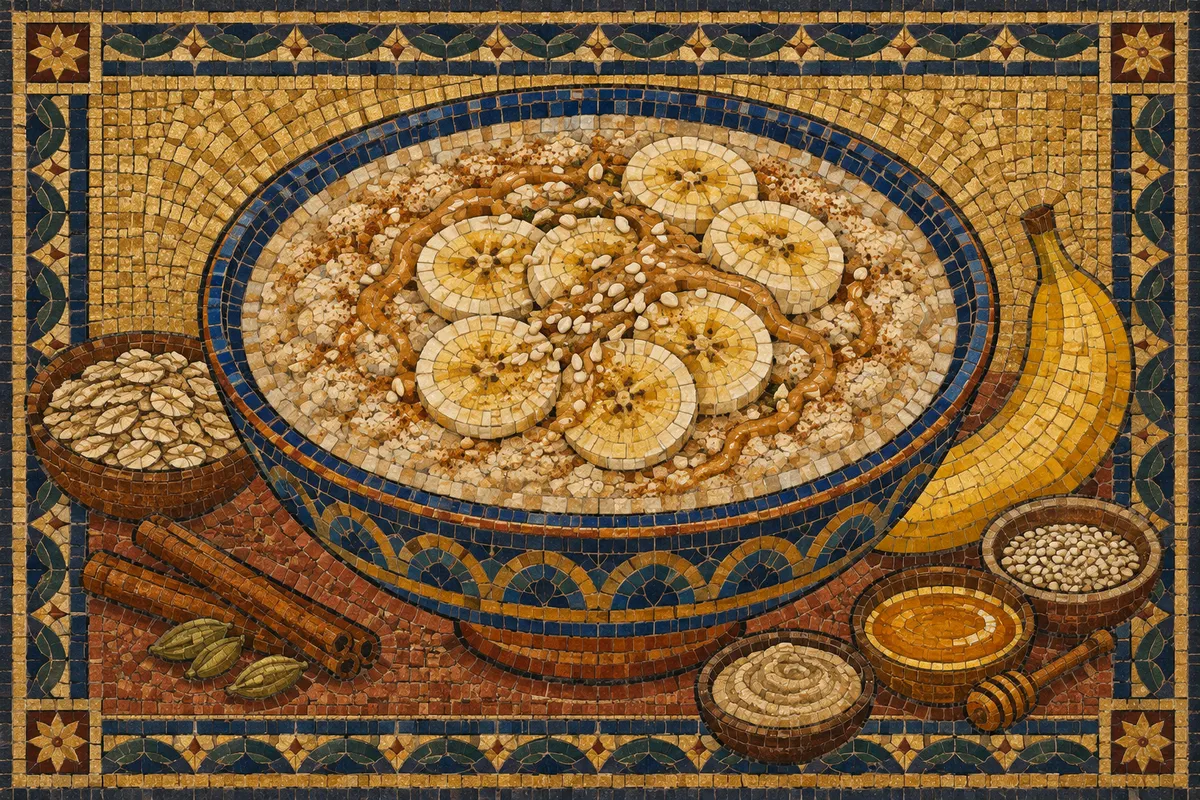
Ethiopian Spiced Oat Porridge with Banana
Day 7 · Breakfast

Ethiopian Spiced Oat Porridge with Banana

Creamy oats simmered with fragrant cardamom and cinnamon, lightly sweetened with honey, and finished with banana, tahini, and toasted sesame.


Ingredients

Your portion: 1 bowl (about 14 oz)
Prepare: makes 1 serving(s)

Directions

  1. Place the sesame seeds in a small dry saucepan over medium-low heat and toast them for 2 to 3 minutes, stirring constantly, until lightly golden and fragrant; immediately transfer them to a small plate.
  2. Add the milk, oats, cardamom, and cinnamon to the same saucepan and stir to combine.
  3. Bring the mixture to a gentle simmer over medium heat, stirring every 30 seconds so the oats do not stick.
  4. Reduce the heat to low and cook for 5 to 7 minutes, stirring frequently, until the oats are soft and the porridge is thick but still spoonable.
  5. Remove the saucepan from the heat and stir in the honey and tahini until fully blended and creamy.
  6. Spoon the porridge into one serving bowl and let it stand for 2 minutes so it thickens slightly.
  7. Arrange the sliced banana over the porridge and sprinkle the toasted sesame seeds on top.
  8. Serve warm, stirring the banana into the porridge as you eat.
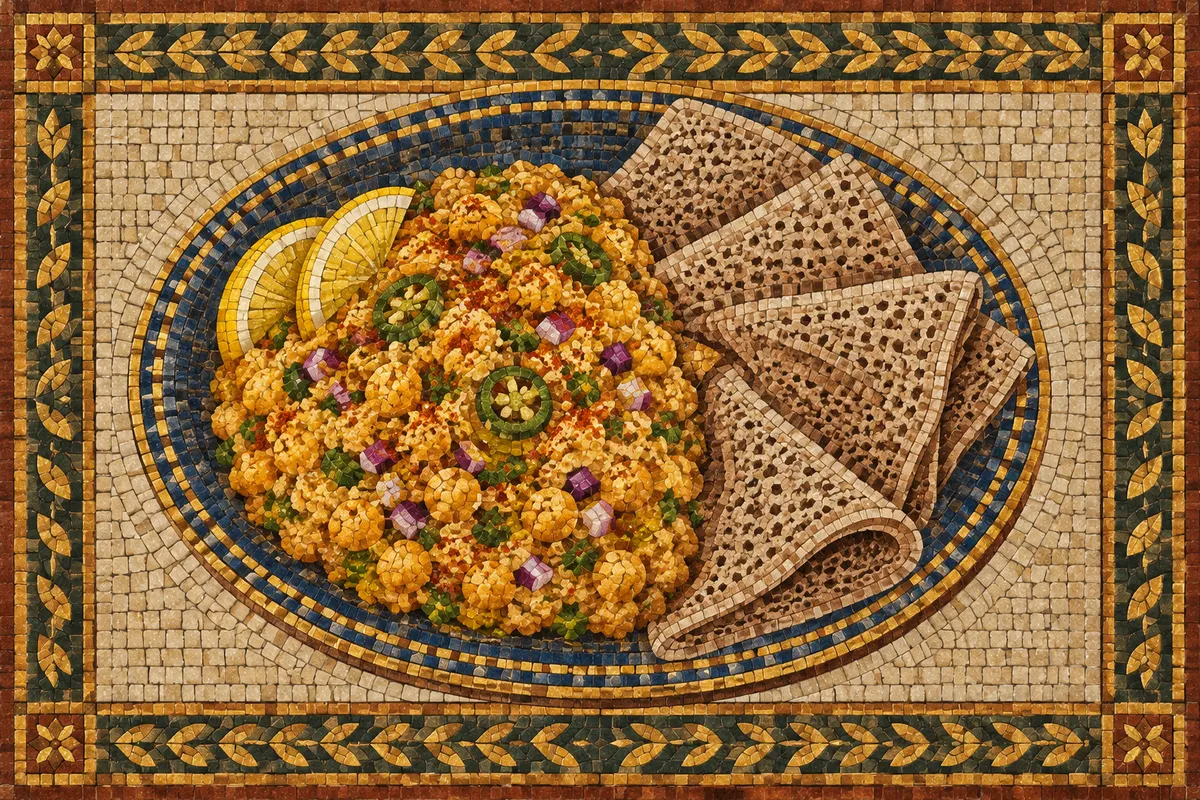
Buticha Chickpea Salad with Injera
Day 7 · Lunch

Buticha Chickpea Salad with Injera

Creamy mashed chickpeas brightened with lemon, red onion, jalapeño, olive oil, and warm Ethiopian spices, served with fresh injera for scooping.


Ingredients

Your portion: 1 plate with 1 bowl of buticha and 4 3/4 ounces injera
Prepare: makes 1 serving(s)

Directions

  1. Drain and rinse the chickpeas under cool running water, then shake off excess water; no cooking or preheating is needed for this salad.
  2. Finely dice the red onion and jalapeño, keeping the pieces small enough to blend evenly into the chickpeas.
  3. Whisk the lemon juice, olive oil, berbere, cumin, and salt together in a small bowl until the mixture looks evenly combined, about 20 seconds.
  4. Place the chickpeas in a medium bowl and mash them with a fork for 1 to 2 minutes, leaving some small pieces for texture rather than making a smooth purée.
  5. Add the diced onion and jalapeño to the mashed chickpeas, then pour in the lemon-spice dressing and stir until every chickpea is coated.
  6. Let the buticha rest at room temperature for 10 minutes so the onion, lemon, and spices can flavor the chickpeas.
  7. Arrange the fresh injera on a plate, spoon the buticha onto the center, and serve immediately at room temperature, tearing off pieces of injera to scoop it up.
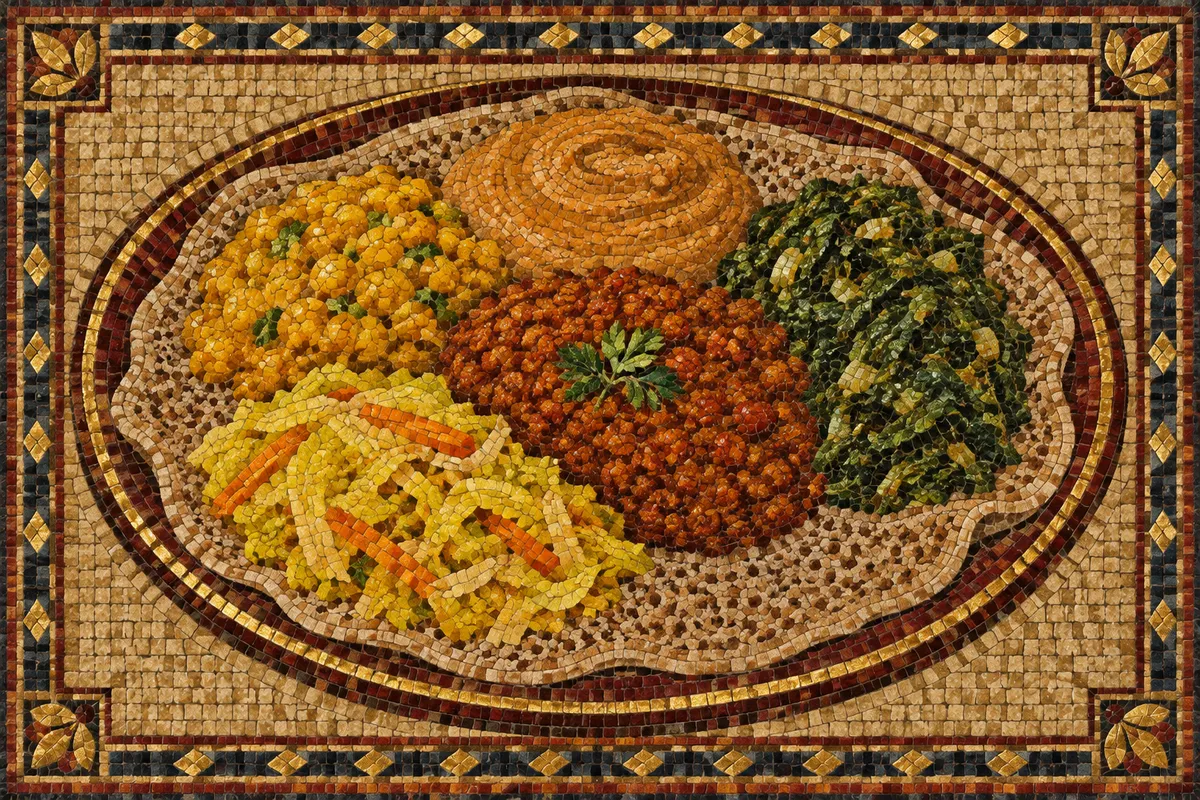
Vegetable Beyaynetu Platter
Day 7 · Dinner

Vegetable Beyaynetu Platter

A colorful Ethiopian injera platter layered with savory misir wat, silky shiro, mild kik alicha, tender gomen, and turmeric cabbage in balanced portions.


Ingredients

Your portion: 1 platter with 1 8-inch injera and five vegetable portions
Prepare: makes 1 serving(s)

Directions

  1. Finely chop the onion, chop the collard greens into bite-size pieces, and shred the cabbage; keep each vegetable in a separate small bowl.
  2. Heat the olive oil in a 10-inch nonstick skillet over medium heat until it shimmers, about 1 minute, then cook the onion for 4 to 5 minutes, stirring often, until soft and translucent; divide the onion among five small bowls.
  3. Return one onion portion to the skillet, stir in 1 teaspoon berbere, add the lentils and 2 tablespoons water, and simmer over medium-low heat for 5 minutes, stirring twice, until thick and saucy; transfer to a bowl.
  4. Add a second onion portion, the shiro flour, 1/4 cup water, and 1/2 teaspoon berbere to the skillet, whisking constantly over medium-low heat until smooth; simmer for 4 to 5 minutes until glossy and spoon-thick, then transfer to a bowl.
  5. Add a third onion portion, the split peas, and 2 tablespoons water to the skillet; simmer over medium-low heat for 5 minutes, stirring once, until the peas are hot and soft, then transfer to a bowl.
  6. Add a fourth onion portion, the collard greens, and 2 tablespoons water to the skillet; cover and cook over medium heat for 4 to 5 minutes, stirring halfway, until the greens are tender and deep green, then transfer to a bowl.
  7. Add the final onion portion, cabbage, turmeric, and 2 tablespoons water to the skillet; cook uncovered over medium heat for 4 to 5 minutes, stirring often, until the cabbage is tender but still slightly crisp.
  8. Lay the injera on a dinner plate, spoon the five stews and vegetables in separate colorful portions around it, and let the platter rest for 2 minutes before serving so the injera can soften at the edges.
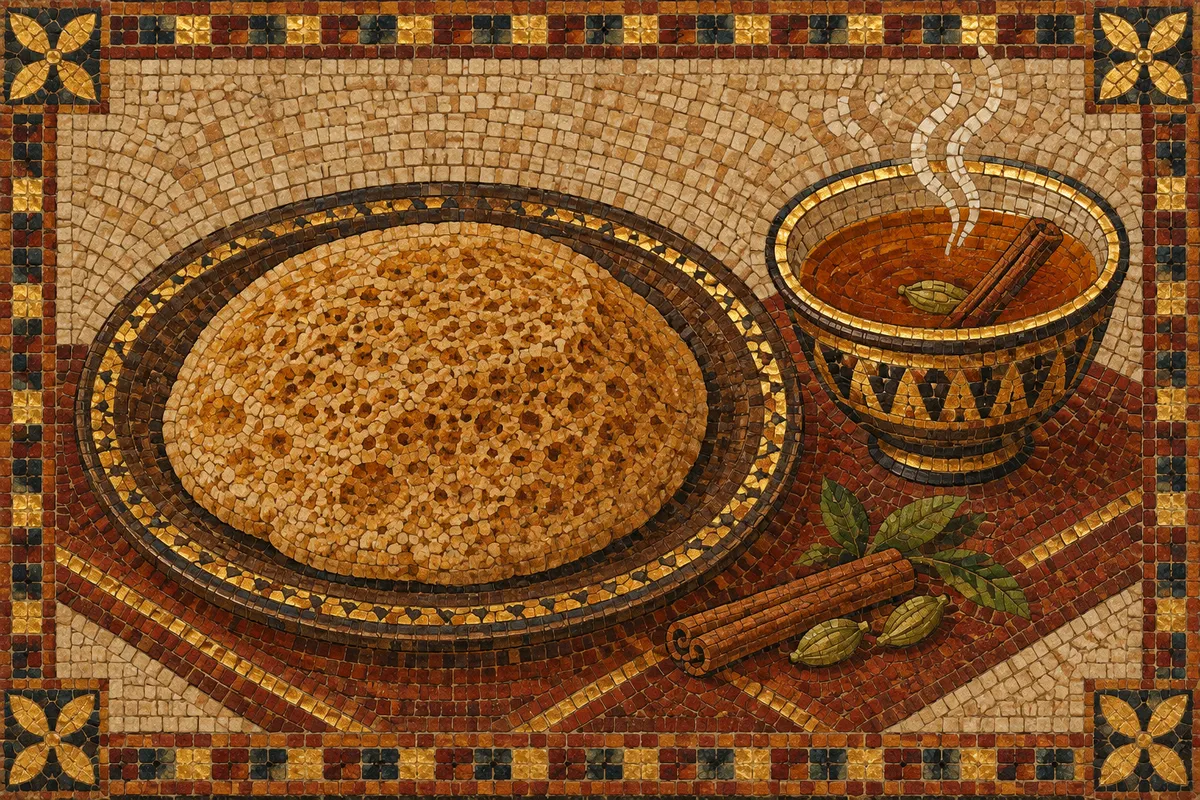
Fresh Dabo with Spiced Tea
Day 7 · Snack

Fresh Dabo with Spiced Tea

A warm, tender Ethiopian-style mini wheat dabo is served with fragrant unsweetened cinnamon-cardamom tea.


Ingredients

Your portion: 1 mini dabo and 8 fluid ounces tea
Prepare: makes 1 serving(s)

Directions

  1. Preheat the oven to 375°F and place a small oven-safe skillet or baking dish inside to warm for 5 minutes.
  2. Stir the flour, yeast, sugar, and salt together in a small bowl until evenly combined.
  3. Add 2 tablespoons of the water and the olive oil, then stir until a shaggy dough forms; knead it in the bowl for 3 minutes until smooth and slightly tacky.
  4. Cover the bowl with a clean towel and let the dough rest in a warm place for 20 minutes, until it looks slightly puffy.
  5. Shape the dough into a thick round about 3 inches wide, place it in the warmed skillet, and lightly press the top flat.
  6. Bake the dabo for 15 to 18 minutes, until the top is lightly golden and the center feels firm; cool it for 5 minutes before serving.
  7. Bring the remaining 8 fluid ounces of water, cinnamon stick, and crushed cardamom pods to a boil in a small saucepan over medium-high heat.
  8. Remove the saucepan from the heat, add the black tea bag, and steep for 4 minutes until the tea is dark and aromatic.
  9. Remove the tea bag and spices, pour the unsweetened tea into a cup, and serve it with the warm dabo.
Explore GLP-1 care
Sophie, AI nutrition advisor AI